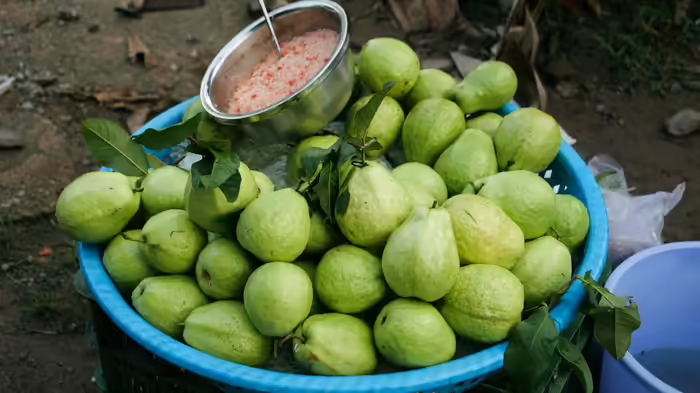
With winter in full swing, guavas—a favourite and highly nutritious fruit in India—are everywhere in the markets. But with dozens of fruits on display, it’s often difficult to identify which guavas are truly fresh and sweet. Many times, visually appealing guavas turn out bland or under-ripe inside.
The ‘Hara-Bhara Jeevan’ YouTube channel recently shared some practical tips to ensure you pick the best guavas, helping buyers avoid costly mistakes.
Check the Stem for Freshness
The stem (or stalk) is the first indicator of a guava’s freshness. A green, slightly moist, and firm stem indicates the fruit has been freshly plucked. A dry, brown, shriveled, or easily breakable stem suggests the guava is old and losing its quality.
For sweetness, the stem should be firmly attached to the fruit. A loose stem may signal a loss of freshness.
Smell the Guava
Guavas are known for their distinct, pleasant aroma, which also signals sweetness. Hold the fruit close to your nose, especially near the stem. A strong, sweet, natural guava fragrance indicates ripeness. If the aroma is weak, the fruit may be under-ripe or bland. A sour or off smell suggests spoilage.
Feel the Fruit
Fresh guavas should feel slightly firm to the touch.
- Too hard: the fruit is unripe
- Too soft or spongy: the fruit is overripe or starting to spoil
- Perfect firmness: the guava yields slightly under pressure and springs back, indicating optimal ripeness
Heavier guavas are often juicier and sweeter, while lighter ones may be dry inside.
Observe the Skin Colour and Texture
The outer colour also provides clues about ripeness:
- Slightly yellowish-green: generally sweet
- Deep green: under-ripe
- Minor brown spots are natural; large dark patches may indicate internal rot
- Sweet guavas tend to have smoother skin, while unripe ones are rougher
Check for Leaves
Some guavas are sold with leaves still attached. Fresh green leaves indicate a recently plucked fruit, whereas yellow, dry, or wrinkled leaves suggest age. Sellers often keep the freshest guavas with leaves to attract buyers—so check the leaves before purchasing.
Conclusion
Selecting the perfect guava is more art than science, combining visual cues, touch, smell, and knowledge of local varieties. Following these simple steps can ensure you bring home a fruit that is ripe, juicy, and naturally sweet.
Disclaimer: The tips in this article are based on information from YouTube and other online sources. Navbharat Times does not take responsibility for their accuracy or validity.
Discover more from SD NEWS agency
Subscribe to get the latest posts sent to your email.