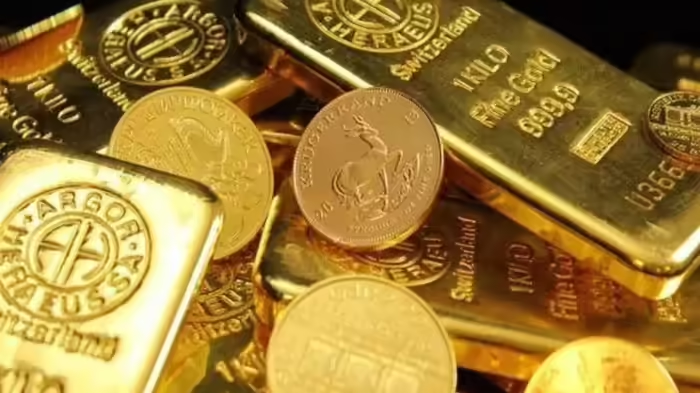
New Delhi: Gold prices have climbed to historic highs during India’s wedding season, reflecting deep currents of uncertainty in the global economy and a structural shift in how nations manage their reserves. Over the past year, gold has surged nearly 70% in international markets and about 76% in India, despite a brief mid-year correction.
Analysts say the rally signals more than routine commodity volatility. Historically, similar spikes in gold prices have coincided with periods of global upheaval — such as the collapse of the Bretton Woods monetary system in the 1970s, the oil shock following Iran’s revolution, and the financial crisis that reshaped the U.S.-led economic order in the late 2000s. While no single crisis of that scale is visible today, markets appear gripped by a persistent fear of systemic disruption.
A major driver of the surge is the weakening U.S. dollar. In 2025, the dollar lost roughly 10% of its value against a basket of major currencies, including the euro, pound, yen, and yuan. A softer dollar typically boosts gold, which is priced globally in the U.S. currency. Although a cheaper dollar can support American exports, it raises broader concerns about confidence in the international monetary system.
Recent data from the International Monetary Fund show a long-term decline in the dollar’s dominance in global reserves. In 1999, about 71% of central bank foreign exchange holdings were in dollar assets; by 2024, that share had fallen to 58.5%. Central banks are increasingly diversifying — and gold is a key beneficiary of that shift.
Since the pandemic, many countries have accelerated purchases of bullion, steadily increasing the share of gold in their reserve portfolios. Economists note that this trend locks vast amounts of national wealth into vaults rather than circulating in productive investment, a development that could slow global economic momentum even as it stabilizes reserve strategies.
Geopolitics has also played a role. Repeated use of financial sanctions and restrictions tied to the SWIFT international payment system has prompted several countries to seek alternatives to dollar-centric trade channels. This gradual move toward a more fragmented currency system has weighed on the dollar’s long-term credibility and strengthened gold’s appeal as a neutral store of value.
For India, the shift has produced mixed but largely manageable effects. A weaker dollar has reduced pressure on the rupee, while rising gold prices have increased the value of India’s bullion holdings. Over the past year, gold’s share in India’s foreign exchange reserves has risen from about 14% to 17%, helping cushion external vulnerabilities even amid global turbulence.
Market experts caution that gold’s rally reflects structural tensions that are unlikely to disappear quickly. As long as uncertainty over trade policy, geopolitics, and reserve currencies persists, demand for safe-haven assets is expected to remain strong — suggesting that volatility in both gold and the dollar could continue in the months ahead.
Discover more from SD NEWS agency
Subscribe to get the latest posts sent to your email.