
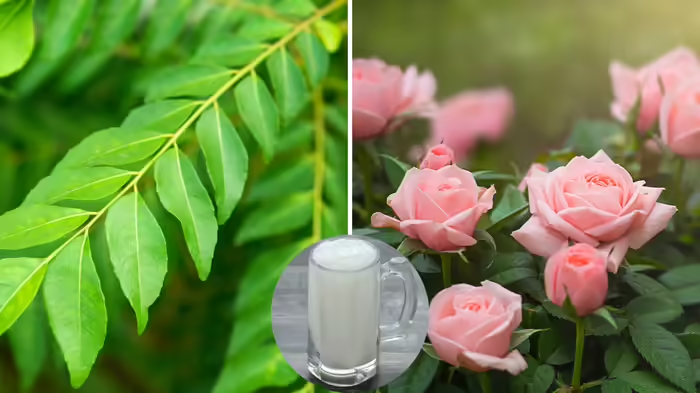

Instead of spending on expensive fertilizers, your kitchen may already have a natural plant booster: buttermilk. Gardening expert Vidushi Malik says that this simple ingredient can transform your garden when used correctly. She also shares the proper method to avoid any damage to your plants.

Bigger Leaves and More Blooms
Vidushi explains that the “good bacteria” and micronutrients in buttermilk enhance soil fertility. In her garden, curry leaf plants have leaves as wide as 4.5 cm, and rose leaves reach 5 cm, thanks to buttermilk. Calcium and phosphorus in buttermilk not only increase leaf size but also make them lush, green, and glossy.
Correct Dilution is Key
Never pour buttermilk directly onto plants, as it is acidic. Experts recommend diluting it five times with water. For example, mix one glass of buttermilk with five glasses of plain water. This mild solution is safe for roots and highly effective.
Using Buttermilk for Flowering Plants
Plants like roses, hibiscus, and Aparajita benefit greatly from buttermilk. It balances soil pH, encourages more buds, and increases flower size. For roses that aren’t blooming, applying the diluted solution once every 15 days can improve flowering.
Benefits for Curry Leaves and Vegetables
Vegetable plants such as tomatoes, chili, and eggplant also respond well to buttermilk. Curry leaf plants, in particular, thrive with it—it enhances fragrance, repels pests, and encourages faster branching and vine growth.
Natural Fungicide
Buttermilk also acts as a natural fungicide. If leaves show white spots or fungus, spraying the diluted solution protects them from infections. Farmers have traditionally used sour buttermilk to safeguard crops from diseases.
Best Practices for Application
- Apply the solution early morning or after sunset. Avoid the midday sun.
- Ensure the buttermilk contains no salt or sugar.
- Using the solution twice a month is sufficient to keep your garden lush and flowering.
With this simple kitchen ingredient, you can enhance growth, boost blooms, and maintain healthy, vibrant plants naturally—without expensive fertilizers.
Discover more from SD NEWS agency
Subscribe to get the latest posts sent to your email.
