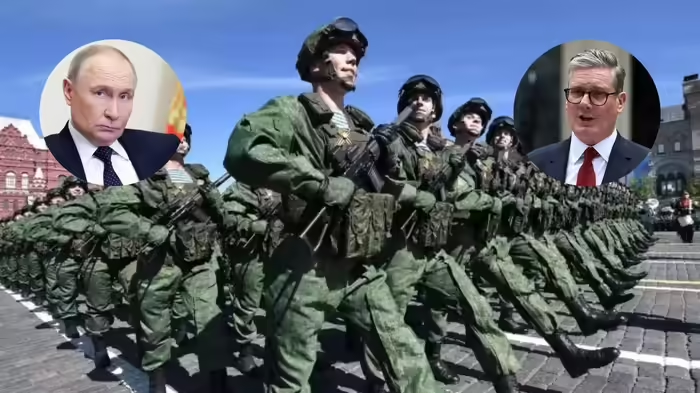
Moscow has ordered a senior British diplomat at its embassy to leave Russia over allegations of espionage. The Russian intelligence agency, FSB, claimed the diplomat was linked to British intelligence services. Russia stated it will not tolerate any undisclosed activities by British intelligence operatives on its soil.
Diplomat Ordered to Leave Within Two Weeks
The Russian Foreign Ministry summoned the chargé d’affaires of the British Embassy, Dene Dholakia, to formally register its protest and inform her that the suspected spy, Gareth Samuel Davis—serving as a secretary at the Moscow embassy—must leave Russia within two weeks. In an official statement, the ministry said, “Moscow will not tolerate the activities of undisclosed agents of British intelligence on Russian soil.”
Russia’s Firm Stance
The ministry emphasized that the Russian government follows a strict “zero tolerance” policy regarding national security matters. Dholakia was called to Smolenskaya Square, where officials informed her of intelligence indicating the diplomat’s links to British intelligence agencies.
Historical Context of Russia-UK Diplomatic Tensions
The expulsion comes amid a history of tit-for-tat diplomatic expulsions between Russia and the United Kingdom. The Russian Foreign Ministry warned that any provocative actions by Britain in response to this expulsion would receive a proportional reaction. Previously, in March 2025, Russia expelled two British diplomats on espionage charges, which the United Kingdom dismissed as “malicious and unfounded.”
The latest move marks another chapter in the strained relations between Moscow and London, highlighting the persistent challenges in diplomatic and intelligence affairs between the two nations.
Discover more from SD NEWS agency
Subscribe to get the latest posts sent to your email.