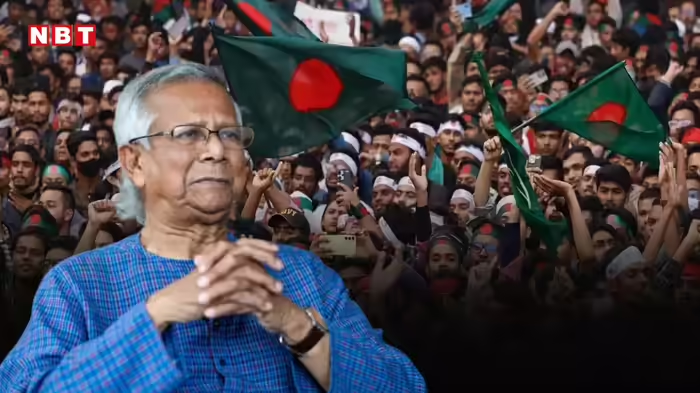
DHAKA: With the February 2026 general elections approaching, the interim government of Muhammad Yunus in Bangladesh is showing signs of serious instability. A fresh wave of resignations has hit Yunus’ cabinet, with State Minister for Home Affairs Khoda Bakhsh Chowdhury stepping down under pressure from extremist groups. The resignation has been formally accepted by the President, according to an official government notification.
Observers note that these resignations are not politically motivated but are a direct result of coercion by extremist factions, indicating a weakening grip of the Yunus administration. The unrest intensified after the assassination of extremist leader Sharif Usman Hadi, which triggered open threats and calls for accountability from radical organizations. Abdullah Al Jaber, secretary of Hadi’s political group Inquilab Manch, issued a 24-hour ultimatum demanding the resignation of Home Advisor Lieutenant General (Retd.) Mohammad Jahangir Alam Chowdhury. While the advisor remains in office, the resignation of his subordinate signals the administration’s strategy of appeasing extremists by sacrificing lower-level officials.
Pattern of Resignations and Growing Instability
This resignation adds to a string of departures from Yunus’ government. Earlier this year, student leader advisor Nahid Islam resigned from the advisory council. On 10 December, Information and Broadcasting Ministry Advisor Mahfuz Alam stepped down, followed by Asif Mahmud Shojib Bhuiyan, advisor to the Ministry of Local Government, Rural Development, and Cooperatives. Analysts suggest that some of these resignations may also be linked to electoral ambitions, as certain advisors plan to contest the February elections.
Implications for Governance
The resignations highlight the increasing fragility of Yunus’ interim government. Advisors who were once shielded by Yunus now appear to be undermining his administration. With extremist factions gaining influence and the February elections looming, there are growing concerns about potential unrest and political upheaval in Bangladesh.
Yunus’ administration faces a critical challenge: maintaining governance amid internal resignations, extremist pressures, and an uncertain electoral landscape. How the interim government navigates this turbulence will have significant consequences for Bangladesh’s political stability and security in the months ahead.
Discover more from SD NEWS agency
Subscribe to get the latest posts sent to your email.