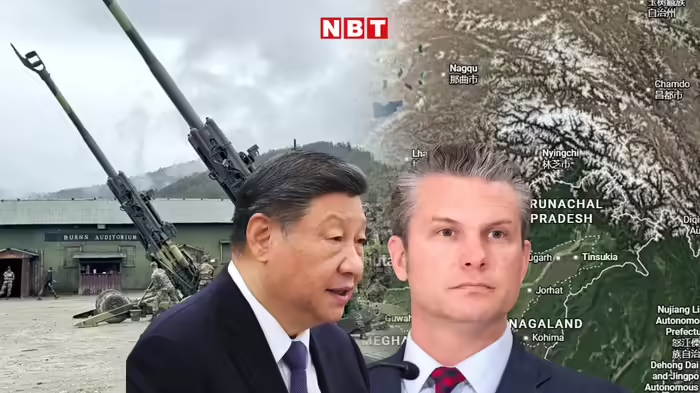
Washington/Beijing/New Delhi: While recent months have seen a notable reduction in tensions along the Line of Actual Control (LAC) between India and China, the Pentagon warns that this apparent calm is part of a calculated Chinese strategy rather than a genuine effort to resolve long-standing border disputes. The United States Department of Defense’s Annual Report to Congress on China’s Military and Security Developments – 2025 highlights that China continues to rapidly expand its military infrastructure along the LAC, maintaining a strong troop presence.
Strategic Disengagement, Not Peace
The report indicates that China’s reduced confrontations with India are temporary and tactical. Analysts emphasize that Beijing aims to buy time, manage international pressure, and prevent India from interfering in China’s primary strategic objectives, including its plans in the Western Pacific and Taiwan. The Pentagon also notes that India may still misunderstand China’s intentions, mistaking tactical disengagement for lasting goodwill.
India-China Relations: Developments in 2024–25
In October 2024, India and China agreed on military disengagement in conflict zones, followed by multiple diplomatic and military-level discussions. Direct flights between the two countries resumed, visa facilitation improved, and China increased purchases of Indian goods. Despite these developments, the Pentagon cautions that China’s core objective remains strategic: maintaining peace on the Indian front to allow freedom of action in other theaters.
Expert Analysis: Preparing for Taiwan
Defense experts, including former Indian Army Lt. Colonel JS Sodhi, interpret China’s actions as a precautionary measure ahead of potential military operations in Taiwan by 2027. “China aims to keep the Indian front calm to avoid a two-front conflict with the United States and India during the Taiwan campaign,” Sodhi explained. He added that post-Taiwan, India-China tensions over Arunachal Pradesh and other disputed regions could escalate significantly by 2030.
Arunachal Pradesh and Strategic Leverage
Pentagon assessments also highlight China’s claim over Arunachal Pradesh, categorizing it as a “core interest” similar to Taiwan. Strategic expert Brahma Chellaney notes that despite claims of stabilization, China has refused to withdraw forces amassed since 2020 and maintains control over parts of Eastern Ladakh, signaling that Beijing’s engagement with India is tactical, not trust-building. Arunachal remains a heavily fortified buffer zone, giving China leverage in broader strategic negotiations.
China-Pakistan Military Coordination
The report further warns of a strengthening China-Pakistan military partnership. During India’s Operation Sindhu, China provided intelligence and strategic support to Pakistan. Combined exercises and ongoing strategic coordination allow China to keep continuous pressure on India while focusing on its broader objectives, particularly Taiwan.
Conclusion: Temporary Calm, Long-Term Vigilance Needed
The Pentagon concludes that China is managing the India front to maintain tactical flexibility for its Taiwan ambitions. While India-China relations may appear stable for now, the true strategic intentions of Beijing are expected to become apparent post-Taiwan. Analysts warn Delhi to remain cautious, recognizing that current Chinese conciliatory gestures are designed for strategic advantage rather than lasting peace.
Discover more from SD NEWS agency
Subscribe to get the latest posts sent to your email.