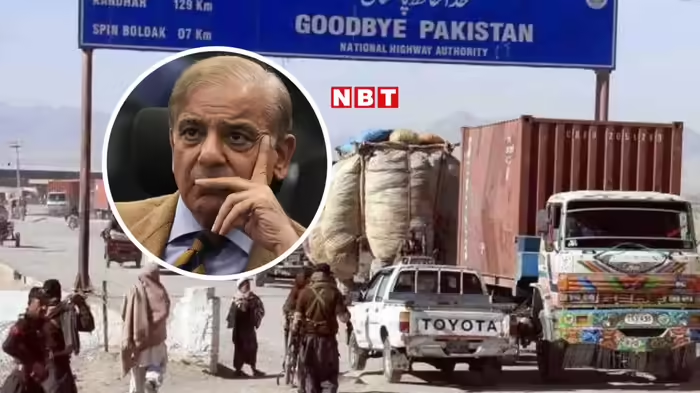
The ongoing trade freeze between Pakistan and Afghanistan has sent shockwaves through Pakistan’s economy, causing fruit and vegetable prices to skyrocket while poultry businesses suffer heavy losses. Meanwhile, Afghanistan has successfully diversified its trade, mitigating economic damage at home.
Trade Halt Hits Pakistan Hard
Relations between Pakistan and Afghanistan have plummeted following cross-border gunfire in October, disrupting trade at key border points. Initially, it was assumed that Afghanistan would bear the brunt of the economic fallout. Pakistan’s Defence Minister Khawaja Asif even claimed Kabul’s economy would collapse. However, the reality has been the opposite: Pakistan is struggling as key industries dependent on Afghan trade face shortages and rising prices.
According to India Today, the trade freeze has directly affected essential commodities such as fruits, vegetables, and poultry. Afghan markets, in contrast, have sought alternative trade routes, ensuring economic stability.
Afghanistan Expands Trade Network
After closing the Pakistan border trade points on October 11, Afghanistan opened channels with India, Iran, and Central Asian countries. This move has shielded Afghanistan’s economy, while Pakistan faces severe disruptions in manufacturing and export sectors. The halt has led to price surges, production slowdowns, and revenue loss in Pakistan.
Economic Pain Across Pakistan
The border closure has particularly affected Pakistan’s cement, pharmaceutical, and agricultural sectors. Coal shortages have hampered cement production, and exports of medicines and agricultural products have stalled. Pakistani companies annually export $187 million worth of medicines to Afghanistan.
Daily fruit and vegetable supplies from Afghanistan have also dried up, doubling prices in several Pakistani cities. Tomatoes, for example, are reportedly selling at up to 500 PKR per kilogram, directly straining household budgets. Revenue from customs and transit duties has also plunged, depleting Pakistan’s foreign reserves and worsening the economic crisis.
Impact on Small Traders and Workers
Small traders, transporters, and thousands of laborers at border regions are particularly affected, as cross-border trade forms the backbone of their livelihoods. In Khyber Pakhtunkhwa, traders have strongly urged both provincial and federal governments to reopen trade routes with Afghanistan immediately to prevent further economic collapse.
Afghanistan’s Resilience
Despite being one of the world’s poorest nations, with a per capita GDP of just $434 and 64% of its population living in poverty, Afghanistan has maintained economic stability by quickly establishing trade links with India, Iran, and Turkey.
The unfolding situation highlights Pakistan’s vulnerability and the urgent need to restore trade with Afghanistan to prevent further economic distress.
Discover more from SD NEWS agency
Subscribe to get the latest posts sent to your email.