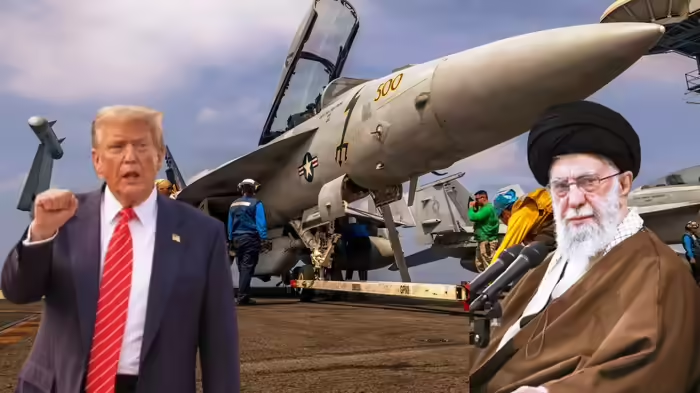
Tehran: Tensions between the United States and Iran are escalating as a substantial U.S. military presence has been observed in the Middle East, signaling the possibility of imminent conflict. Recent reports indicate that multiple fighter jets, along with aerial refueling tankers, have been deployed toward the region, fueling speculation of a major operation. The U.S. has also positioned aircraft carriers, cruisers, and submarines in the Gulf.
Strategic Importance of the Strait of Hormuz
Iran is simultaneously balancing diplomacy with military preparedness. While engaging in talks with the U.S., Tehran has conducted naval exercises in the Strait of Hormuz and the Persian and Oman Gulfs. Though Iran frames these exercises as routine, temporary closures of sections of the strait convey a more serious message. The Strait of Hormuz is a crucial global oil shipping route, meaning any naval activity here carries significant strategic implications.
U.S. Demands and Nuclear Concerns
On February 17, as the U.S. ramped up military movements and Iran conducted naval drills, both countries reportedly engaged in discussions in Geneva aimed at peace. However, differences emerged over key issues, particularly Iran’s nuclear program. President Donald Trump has repeatedly warned that failure to meet U.S. demands could trigger the use of force. The core demand is the complete cessation of Iran’s nuclear program, including the halt of uranium enrichment.
Missile Capabilities and Regional Security
The U.S. contends that ongoing uranium enrichment could enable Iran to develop nuclear weapons. Moreover, Israel and the U.S. have emphasized neutralizing Iran’s ballistic missile program, which poses a direct threat to Tel Aviv. Iran, however, maintains that its missile program is defensive and refuses to curb it under external pressure, while linking U.S. demands to lifting economic sanctions. Tehran argues that support for proxy groups such as Hezbollah and the Houthis pertains to regional matters, separate from nuclear negotiations.
The Stakes of Potential Conflict
Experts warn that any military confrontation could have far-reaching consequences. A U.S. strike would likely involve Iranian retaliation against U.S. military bases and personnel in the Middle East, where 30,000–40,000 troops are stationed. Analysts suggest that the risk of escalation may have previously restrained Trump from launching direct attacks. Current U.S. defense postures in the region indicate that preparation for military action is underway.
Uncertain Outcomes
U.S. national security advisors reportedly cautioned Trump that operations aimed at regime change carry no guaranteed success and could result in political and strategic unpredictability. Vice President JD Vance has stated that the ultimate decision rests with Trump, while Iran’s foreign minister suggests that a new diplomatic window may be opening. The coming days will reveal whether these developments will shift the delicate balance of geopolitics, regional security, and global diplomacy—or push the Middle East toward a devastating conflict.
Discover more from SD NEWS agency
Subscribe to get the latest posts sent to your email.