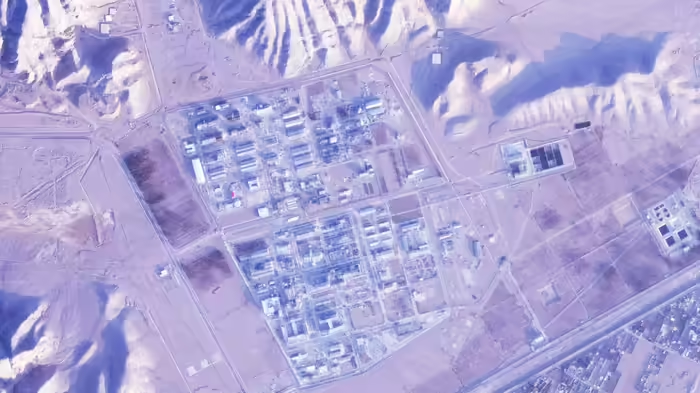
Tehran: Iran has begun filling tunnels at its sensitive Isfahan nuclear site with concrete and soil, according to high-resolution satellite images released by the Institute for Science and International Security (ISIS). The images reveal that the southern entry gate and the tunnels connecting the site have been sealed, making them nearly unidentifiable from above.
The Isfahan facility is one of Iran’s most critical nuclear sites, heavily guarded and previously targeted by Israeli strikes in June 2025. U.S. B-2 bombers also reportedly deployed bunker-buster munitions during that period. The recent satellite images show that three main tunnel entrances have been covered with soil, completely blocking access and concealing the underground complex. Analysts believe this move is designed to protect the facility from potential U.S. or Israeli raids and minimize damage in the event of an airstrike.
Measures to Safeguard the Nuclear Facility
The ISIS report highlights that the northern tunnel entrance, which had been prepared for additional security measures, has also been filled with soil. Satellite imagery indicates no vehicular activity in the entry areas, suggesting that Iran is taking extensive precautions against foreign military operations. Researchers note that by sealing the tunnels, Iran reduces the effectiveness of potential airborne attacks and makes it significantly harder for special forces to access enriched uranium stored on-site. There are also speculations that Iran may have moved sensitive equipment or materials into protected areas within the tunnels.
Heightened Tensions Ahead of U.S.-Israel Meeting
On Wednesday, Israeli Prime Minister Benjamin Netanyahu is scheduled to meet U.S. President Donald Trump at the White House to discuss possible action against Iran. The meeting is closed to the media, but reports suggest Israel is pressuring the U.S. to consider military options, fearing that a diplomatic agreement between Washington and Tehran could limit Israel’s ability to act.
A senior Israeli official told Ynet News, “There is concern that this is moving toward an agreement that will not be in our interest. This involves more than just discussions between the U.S., Israel, and Iran—countries like Turkey, Qatar, Saudi Arabia, and Egypt are also involved. Many factors could influence Trump. We are worried this could lead to a deal unfavorable to Israel, which is deeply concerning.”
With tunnel closures and diplomatic maneuvering intensifying, tensions over Iran’s nuclear program continue to escalate, raising fears of a potential strike in the coming weeks.
Discover more from SD NEWS agency
Subscribe to get the latest posts sent to your email.