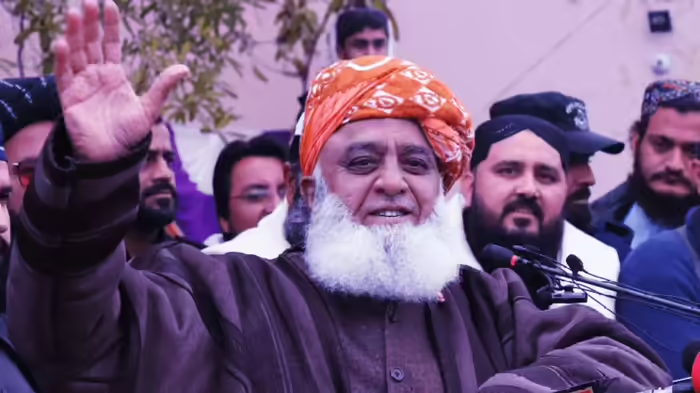
Islamabad: Maulana Fazlur Rehman, senior Member of the National Assembly (MNA) and head of Jamiat Ulema-e-Islam, has sharply criticized Pakistan’s military and government for their handling of relations with Afghanistan. Known for his influence among clerics and the country’s Islamic educational circles, Rehman did not hold back in blaming Pakistan’s policies for ongoing tensions across the border.
Speaking to Pakistani traders seeking the resumption of trade with Afghanistan, Rehman expressed frustration over the government’s priorities. Last month, Pakistan halted cross-border trade following military tensions, which adversely affected markets and business sectors in the country.
Criticism of Pakistan’s Afghanistan Policy
Addressing the traders, Rehman said, “Pakistan’s policy toward Afghanistan has been self-defeating and impractical for the past 45 years. Instead of fostering a sustainable and mutually beneficial relationship, those in power have prioritized their own interests.”
He went further to accuse former military rulers Zia-ul-Haq and Pervez Musharraf of undermining Pakistan’s Afghanistan policy. According to Rehman, during their regimes, Pakistan compromised Afghan stability in pursuit of U.S. dollars, highlighting a pattern of prioritizing foreign aid over national and regional interests.
Economic Fallout of Tensions
The recent Pak-Afghan border conflicts have escalated tensions, hitting Pakistani markets directly. The suspension of trade with Afghanistan has led to skyrocketing prices of fruits and vegetables in several regions. Simultaneously, the inability to export poultry has caused a decline in chicken prices, putting local poultry businesses under pressure.
Traders visiting Rehman sought his support in pressing the government to resume cross-border trade, citing severe economic losses caused by the halted business.
Maulana Diesel’s Outspoken Stance
Popularly nicknamed “Maulana Diesel” in Pakistan for his fiery rhetoric, Fazlur Rehman has long been known for his outspoken political commentary. His latest statements underline growing domestic dissatisfaction with Islamabad’s handling of regional diplomacy and the economic repercussions of stalled Afghanistan trade.
Discover more from SD NEWS agency
Subscribe to get the latest posts sent to your email.