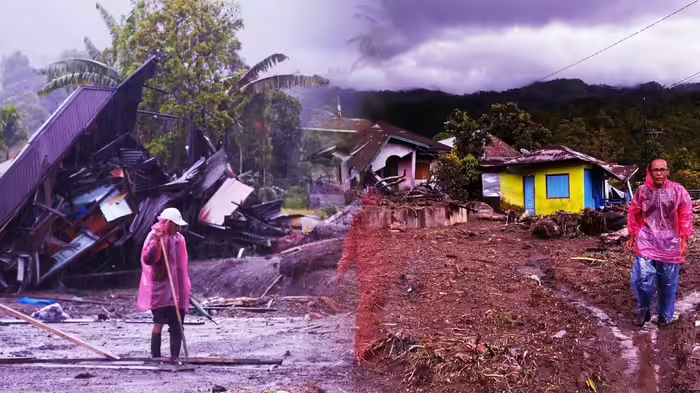
Jakarta: A devastating landslide triggered by relentless heavy rainfall has wreaked havoc in Indonesia’s West Java province, leaving at least seven people dead and 82 others missing, according to the country’s Disaster Management Agency. Authorities fear the death toll may rise further as rescue operations continue under extremely challenging conditions.
The landslide struck a village in the West Bandung region, burying a large part of the settlement under massive debris. Several houses and key roads have collapsed, severely hampering relief and rescue efforts. Continuous rainfall has further worsened the situation, increasing the risk of additional landslides.
Indonesia’s Meteorological Agency has issued a warning of severe weather and heavy rainfall in West Java for the next week, raising concerns over more disasters in the affected areas. Emergency response teams have intensified search and rescue operations, but access to the site remains difficult due to damaged infrastructure and unstable terrain.
A local official stated that the number of missing persons is alarmingly high, and every possible effort is being made to locate survivors. “We are racing against time,” the official said, adding that heavy rain continues to obstruct operations.
A History of Recurrent Disasters
Indonesia is no stranger to natural calamities. In the final months of last year, catastrophic floods and landslides claimed over 1,000 lives, particularly in Sumatra, where more than a thousand people were killed within just 15 days in December. Thousands more were injured, and the country suffered massive economic losses.
Situated along the Pacific Ring of Fire, Indonesia is highly vulnerable to earthquakes, floods, and landslides due to intense tectonic activity. The nation experiences thousands of earthquakes annually, making natural disasters a recurring and serious challenge.
The latest tragedy once again highlights Indonesia’s ongoing struggle against extreme weather events and geological vulnerabilities, underscoring the urgent need for improved disaster preparedness and infrastructure resilience.
Discover more from SD NEWS agency
Subscribe to get the latest posts sent to your email.