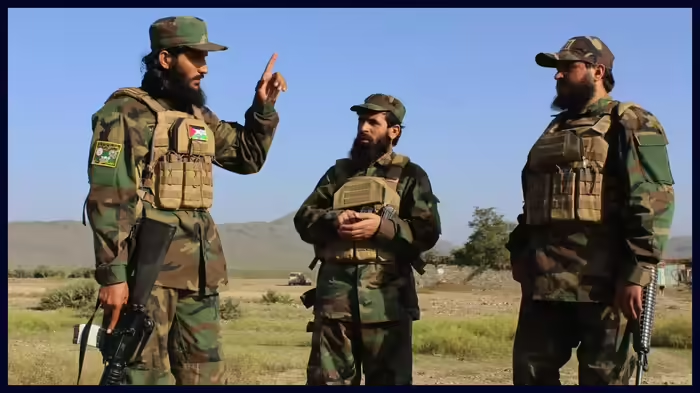
Tensions along the Pakistan-Afghanistan border escalated again on Friday night as heavy firing broke out, following failed peace talks earlier this week. Officials from both sides have confirmed the exchanges, although no casualties have been officially reported so far.
The Afghan Taliban spokesperson, Zabihullah Mujahid, claimed that Taliban forces carried out attacks in Spin Boldak, Kandahar province, targeting Pakistani positions. Meanwhile, the Pakistani government accused Afghan forces of launching unprovoked attacks along the Chaman border.
According to reports from Reuters, the situation forced the Pakistani army to abandon over 20 border posts, highlighting the intensity of the clashes. Pakistani Prime Minister Shehbaz Sharif, through spokesperson Musharraf Zaidi, stated that Pakistan remains on high alert and is committed to protecting its territorial integrity and the safety of its citizens.
Sequence of the Conflict:
Local sources reported that the first round of the conflict began with Pakistani forces firing rockets in residential areas of Spin Boldak, causing significant distress to civilians. Afghan forces responded with heavy operations, inflicting considerable damage on Pakistani positions.
The flare-up comes shortly after recent peace talks in Riyadh, which ended without any agreement. Both sides had previously agreed to maintain a ceasefire, mediated in earlier discussions in Qatar and Turkey, but the border tensions have continued.
Background of the Tensions:
Pakistan’s western provinces of Khyber Pakhtunkhwa and Balochistan are currently grappling with extremist violence. Islamabad claims that militants operating from Afghan soil have carried out attacks inside Pakistan, including suicide bombings allegedly linked to Afghan nationals. The Taliban government in Kabul rejects these claims, arguing that Pakistan’s internal security issues cannot be blamed on Afghanistan.
The ongoing clashes mark one of the most serious border incidents since the Taliban took power in Afghanistan in 2021. Earlier confrontations in October also resulted in dozens of casualties, prompting ceasefire agreements in Doha.
The situation remains volatile, with both sides on high alert along the frontier. International observers and regional mediators continue to call for restraint and renewed dialogue to prevent further escalation.
Discover more from SD NEWS agency
Subscribe to get the latest posts sent to your email.