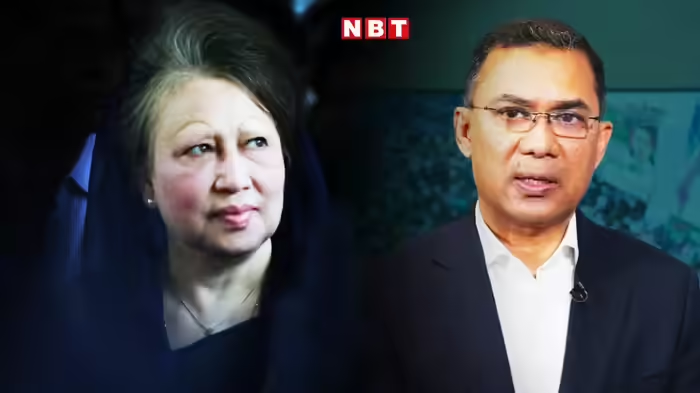
Dhaka: Tarique Rahman, senior leader of the Bangladesh Nationalist Party (BNP) and son of former Prime Minister Khaleda Zia, is set to return to Bangladesh after nearly two decades abroad, fueling speculation that he could be positioned as the party’s Prime Ministerial candidate ahead of the February elections.
Rahman’s return comes at a critical moment when Bangladesh is grappling with widespread political unrest. The ruling Awami League, led by Sheikh Hasina, has been barred from political activity, while Jamaat-e-Islami is gaining momentum. Analysts suggest that for the BNP, this election represents more than a routine contest—it could be the party’s first significant opportunity to regain power after nearly 15 years.
BNP Considers Strategic Moves
Sources within BNP, cited by News18, indicate that the party is seriously evaluating several options, including positioning Tarique Rahman as the Prime Ministerial candidate. While senior party leaders remain cautious, ultimate authority rests with Khaleda Zia, who continues to monitor political developments closely despite being hospitalized. Party insiders claim that even before her hospitalization, Zia played a decisive role in shaping strategic decisions and remains influential in charting the party’s direction.
Emotional Connect vs. Internal Dissent
Party leaders believe that nominating Tarique Rahman could create an emotional connection with voters, potentially galvanizing support. However, some leaders have expressed concerns about dynastic politics and whether a heritage-based candidate would resonate with younger voters, particularly amid changing demographics and political expectations.
Potential Alliance With Jamaat-e-Islami
Reports suggest that BNP is also exploring electoral alliances to strengthen its position, including a possible coalition with Jamaat-e-Islami. Sources indicate that such an alliance could be decisive in several constituencies, given Awami League’s current political vacuum. However, BNP leaders acknowledge significant ideological differences with Jamaat that could complicate governance if elected and could carry reputational risks internationally. As a result, the party is proceeding cautiously, weighing the benefits against potential pitfalls.
Conclusion
Tarique Rahman’s return signals a possible reshaping of Bangladesh’s political landscape. With elections approaching and the BNP navigating a volatile environment, all eyes will be on whether Rahman emerges as the party’s candidate for Prime Minister, and how strategic alliances may influence the nation’s path forward.
Discover more from SD NEWS agency
Subscribe to get the latest posts sent to your email.