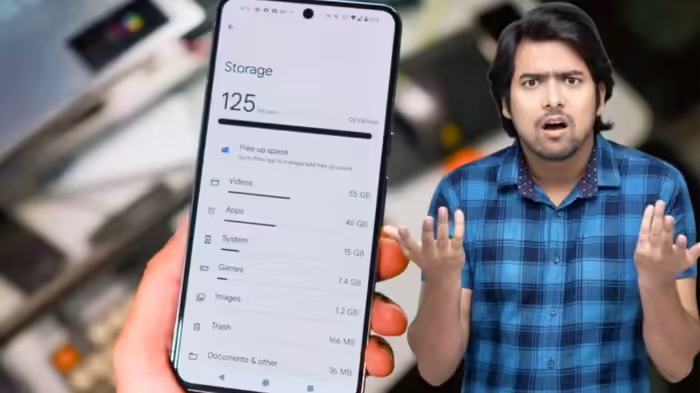
February 10, 2026: Many smartphone users notice that the usable storage on their devices is always less than the advertised capacity. Whether it’s a 128GB phone or a 1TB model, a portion of the storage seems unavailable for personal use. The reason lies in the combination of the operating system, system updates, cache files, and pre-installed apps (bloatware) occupying space.
Operating System Size
No smartphone comes completely empty. Each device comes preloaded with an operating system (OS), which consumes a significant portion of the total storage. This is why a 128GB phone may only show around 110–115GB available to the user, depending on the OS and device optimizations.
The Weight of Bloatware
Besides the OS, smartphones include system apps and third-party pre-installed apps, often referred to as bloatware. Some of these apps run in the background without visible icons, supporting essential device functions, but they also occupy storage space, reducing the memory available for users.
System Updates and Cache Files
Over time, system updates and cached files accumulate on smartphones, taking up additional storage. While these files help ensure smooth performance and faster operations, they also reduce the total usable storage on your device.
The Takeaway
The storage advertised by manufacturers refers to total memory, but a portion is always reserved for essential system operations, updates, and background processes. Understanding this can help users manage expectations and optimize storage more effectively.
Discover more from SD NEWS agency
Subscribe to get the latest posts sent to your email.