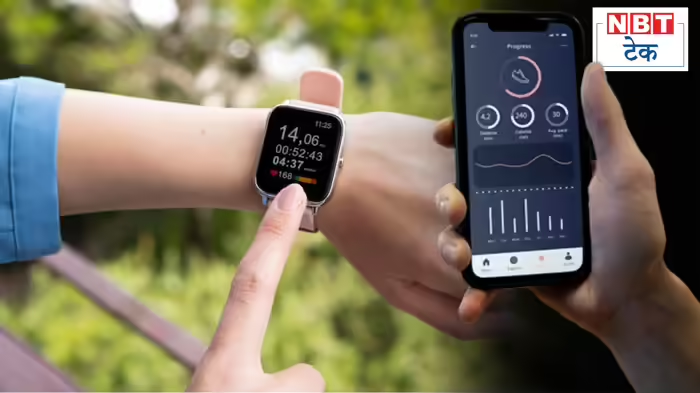
Smartwatches have become popular lifestyle gadgets, but for many users, their expensive features often go underused. With entry-level smartwatches starting around ₹7,500, experts argue that people focused only on basic fitness tracking may not need a separate device at all. A modern smartphone, equipped with the right apps and sensors, can perform many of the same everyday functions.
For users looking to save money while still tracking health metrics, smartphones can serve as an effective alternative.
Measuring Heart Rate Using the Camera Flash
One of the biggest selling points of smartwatches is heart rate monitoring. However, smartphones can perform this function using the camera and flash. Apps such as Google Fit and Instant Heart Rate use the flash to illuminate blood flow in the fingertip. The camera detects subtle changes in color as blood circulates, allowing the app to estimate pulse rate.
Users simply place a finger over the flash and camera lens to receive a reading within seconds.
Counting Steps Without a Watch
Smartphones contain built-in accelerometers that can track movement and steps with surprising accuracy. Fitness apps like Google Fit use motion sensors and GPS data to measure walking distance and daily step counts.
As long as the phone is carried in a pocket or hand while walking, it can function similarly to a smartwatch pedometer.
Turning Your Phone into a Workout Companion
Holding a phone during exercise is inconvenient, but accessories such as sports armbands allow users to strap the device to their arm. This setup keeps hands free while enabling music control, route tracking, and workout monitoring — functions typically associated with smartwatches.
For runners and gym-goers, this simple adjustment can replace many wearable features without additional gadget costs.
Tracking Sleep Without Wearing a Device
Sleep tracking is another major smartwatch feature, but not everyone is comfortable wearing a device overnight. Apps like Sleep as Android analyze motion and sound using the phone’s sensors when placed near the pillow.
These apps estimate sleep cycles based on body movement, breathing patterns, and snoring sounds. Many also include smart alarms that wake users during lighter sleep phases, improving morning alertness.
A Practical Alternative
While smartwatches remain useful for advanced health tracking and convenience, casual users may find that their smartphone already covers most essential needs. With the right apps and simple accessories, a phone can double as a fitness tracker — without extra spending.
Discover more from SD NEWS agency
Subscribe to get the latest posts sent to your email.