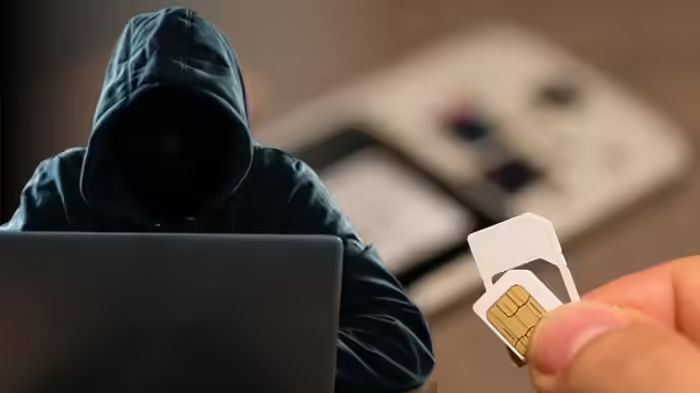
February 10, 2026: Cybercriminals in India are increasingly targeting SIM cards to commit financial fraud, using a method known as SIM Swap or SIM Porting. In this scam, your mobile number is transferred to a new SIM card controlled by the fraudster, giving them access to your banking apps, OTPs, and other sensitive data.
How SIM Swap Fraud Works
Fraudsters first gather personal information through phishing messages or social media. They then impersonate telecom employees to activate your number on a new SIM card. Once this happens, your phone may suddenly lose signal, and any calls you try to make will show a “no network” error. Meanwhile, the criminals gain full access to your bank accounts and can reset UPI and net banking passwords to empty your funds before you even realize something is wrong.
Warning Signs: When to Be Alert
According to reports from The Tribune, you should be cautious if:
- Your phone suddenly loses network signal without reason.
- You are contacted by someone claiming to be from your telecom provider who asks for your OTP.
Both are potential early warnings of a SIM Swap attempt.
The “Golden Hour” is Critical
The first three hours after a SIM Swap fraud is detected are called the golden hour. Acting quickly during this time increases the chances of freezing your accounts and tracking the fraudsters. Immediate reporting to your bank and police is crucial to minimize losses.
How to Protect Yourself
- Never share OTPs with anyone, under any circumstance. OTPs are personal and meant only for your use.
- If your SIM is compromised, contact your telecom provider immediately to block the SIM.
- Report the fraud to the police promptly during the golden hour. Quick action can prevent major financial loss.
SIM Swap fraud is becoming a common tool for cybercriminals, but awareness and timely action can safeguard your money and personal data.