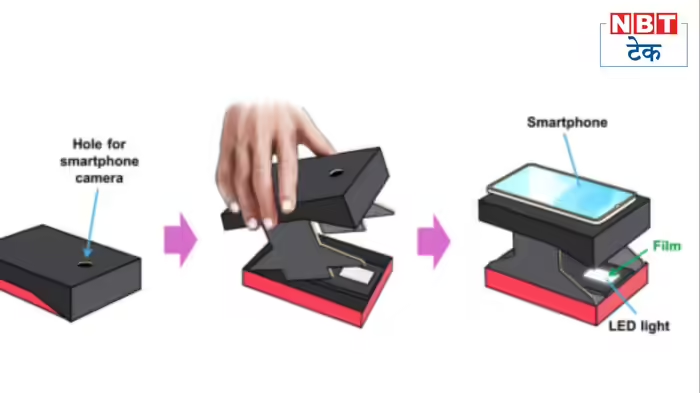
Researchers at Hiroshima University in Japan have developed a device that can transform a smartphone into a radiation detector, capable of quickly assessing exposure after nuclear or radiological events. The system combines radiochromic film with a smartphone camera to provide on-the-spot radiation measurements.
Detecting Radiation with Smartphones
This low-cost, portable radiation dosimetry system allows smartphones to function as real-time radiation detectors. It can measure radiation doses immediately after nuclear or radiological incidents, helping assess potential harm to individuals. The development comes as Japan increasingly turns to nuclear energy to meet rising energy demands and climate goals. Ironically, Hiroshima—where the world’s first atomic bomb was dropped during World War II—is now the birthplace of this innovative technology.
How the System Works
The device integrates a small piece of radiochromic film with a foldable, battery-powered scanner and a smartphone camera. This design ensures rapid results in situations where traditional lab-based methods are too slow, expensive, or inaccessible.
According to Professor Hiroshi Yasuda of Hiroshima University’s Institute for Radiation Biology and Medicine, it is crucial to measure radiation exposure quickly to protect people and provide timely medical intervention after large-scale nuclear or radiological incidents.
Radiation Detection Technology
The system uses Gafchromic EBT4 film, which changes color upon exposure to radiation. While the color change can be seen with the naked eye, the device scans the film and captures its image with a smartphone to accurately quantify radiation dose. A mobile image-processing app then analyzes the change, allowing measurement of radiation doses up to 10 Gray.
Affordable Compared to Traditional Dosimeters
The Hiroshima team tested the system on various smartphones, including Samsung and iPhone models, and found consistent and reliable dose-response data, particularly in the cyan color channel of digital photos. While desktop scanners remain more precise, the total cost of the system is less than $70 (approximately ₹6,423), making it far more affordable than conventional dosimetry equipment.
This breakthrough technology offers a practical, low-cost solution for real-time radiation monitoring, potentially saving lives in the event of nuclear or radiological emergencies.
Discover more from SD NEWS agency
Subscribe to get the latest posts sent to your email.