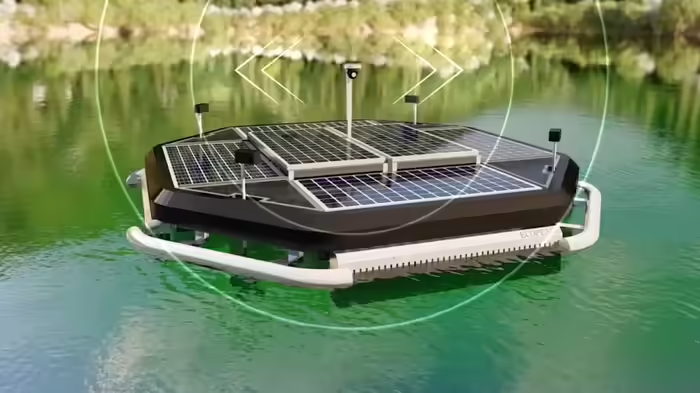
Robots, once known mainly for factory work or entertainment, are now being entrusted with an important environmental responsibility — cleaning polluted rivers and lakes. A South Korean company, Ecopeace, has developed an advanced autonomous robot that can clean contaminated water bodies using cutting-edge technology and artificial intelligence (AI). These robots are set to be deployed in countries like Singapore and the UAE, marking a significant step toward tackling global water pollution.
What Is the Technology Behind It?
According to a report by Interesting Engineering, Ecopeace’s robots, named Ecobot, are fully autonomous and designed for continuous operation. Once placed in a river or lake, they automatically begin cleaning the water without human intervention.
The Ecobot primarily targets algae (water weeds), which are one of the biggest causes of water pollution. Excessive algae growth reduces oxygen levels in water, posing a serious threat to aquatic life. In addition to algae, the robot also removes oil, grease, and other floating impurities.
To perform this task efficiently, the robots are equipped with stainless steel micro-filters that trap contaminants. A unique feature of Ecobot is its self-cleaning ability — as the robot collects waste and becomes dirty, it can clean its own filtration system and continue working without interruption.
Why Traditional Methods Are No Longer Enough
Ecopeace states that rising global pollution has significantly worsened water quality worldwide. Traditional methods of removing algae and pollutants have proven insufficient, especially as rivers and lakes continue to face increasing environmental stress. This is why autonomous robotic solutions are being introduced as a sustainable alternative.
The Role of Artificial Intelligence
Artificial Intelligence plays a crucial role in this entire process. The robots are fitted with multiple data sensors that continuously monitor water conditions. These sensors collect real-time data on pollution levels, which is then analyzed by AI systems. Based on this analysis, the robot decides how and where cleaning is required, ensuring precise and efficient operation.
With the successful deployment of these robots in Singapore and the UAE, experts believe that more countries may soon adopt robotic solutions to combat water pollution. If scaled globally, such technology could play a vital role in protecting water resources and aquatic ecosystems for future generations.
Discover more from SD NEWS agency
Subscribe to get the latest posts sent to your email.