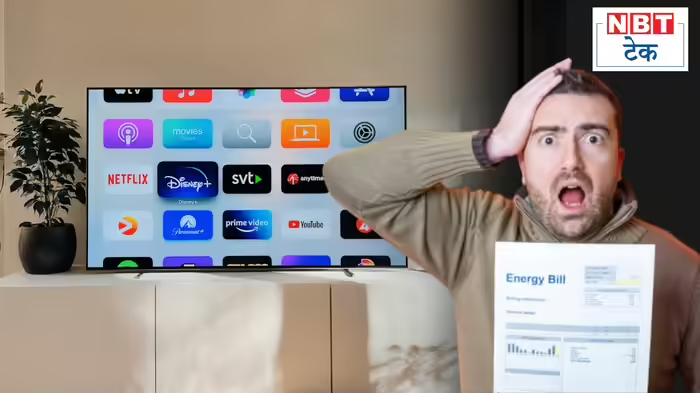
When electricity bills soar, people start carefully monitoring appliances like geysers, refrigerators, and air conditioners. However, TVs—often running for hours daily—rarely get the same attention. Many assume their TV consumes negligible electricity, but the truth is, improper usage or settings can make it a silent energy guzzler. Here’s how you can use your TV smartly to save electricity.
How TVs Increase Your Electricity Bill
Several factors contribute to higher electricity consumption by TVs. The display size is a major factor—larger screens naturally consume more power. Additionally, habits like leaving the TV in standby mode rather than turning it off completely, or not optimizing certain settings, also increase energy usage. Let’s explore the practical ways to cut down electricity costs without compromising on viewing experience.
Check the Energy Rating
Before buying a TV, pay attention not only to features but also to the energy rating. Many buyers focus on deals for large-screen TVs without considering their energy efficiency. Low energy-rated TVs may initially save money on purchase, but higher electricity consumption can offset these savings over time. If you already own a TV, energy consumption can be controlled through smart settings.
Reduce Brightness
Excessive brightness not only strains your eyes but also increases electricity consumption. Switch your TV to Eco Mode or Movie Mode for better energy efficiency. Modern smart TVs often come with Automatic Brightness Control (ABC) sensors, which adjust screen brightness based on ambient lighting. Using this feature—or manually lowering brightness—can make a significant difference in your bill.
Use the Sleep Timer
If you often fall asleep while watching TV, leaving it running for hours can be costly. Enable the Sleep Timer or Auto Power Off feature to prevent unnecessary usage. In many households, TVs remain on even when no one is watching. Using timers effectively reduces wasted electricity and keeps your bills in check.
Turn Off the Screen While Listening to Audio
Many people keep the TV screen on while listening to music or devotional content. Smart TVs usually have a screen-off or sleep mode that allows the audio to continue while turning off the display. This simple step can substantially reduce electricity consumption during music sessions.
Stop Relying Solely on the Remote
Most users turn off the TV using the remote, which only puts it in standby mode. Even in standby, the TV consumes electricity to stay ready for the next signal. For extended periods of inactivity—like overnight or when leaving the house—turn off the TV directly from the power switch. This not only saves energy but also protects the TV from voltage fluctuations or electrical shocks.
Conclusion
Small adjustments—reducing brightness, using sleep timers, turning off the screen for audio, and switching off completely when not in use—can significantly lower your electricity bills without affecting your entertainment experience. Smart TV usage is not just about convenience; it’s also about saving energy and money.
Discover more from SD NEWS agency
Subscribe to get the latest posts sent to your email.