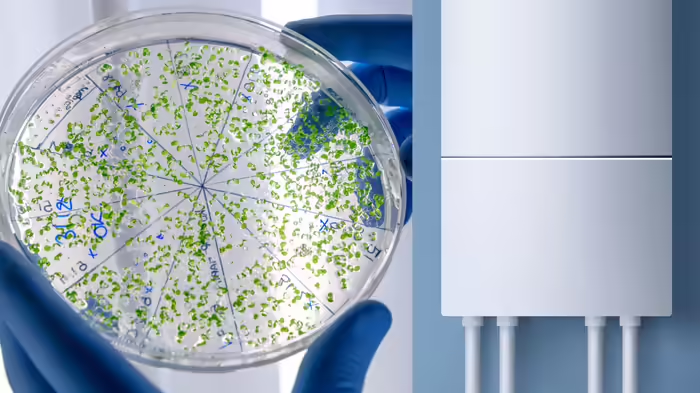
Many households neglect proper maintenance of their geysers, putting both the appliance and health at risk. Experts warn that failing to empty and care for your geyser, especially after prolonged non-use, can lead to the growth of bacteria or even insects in the stored water.
1. Empty the Tank if Not in Use
According to Crompton, if a storage geyser is not going to be used for several days, it’s crucial to drain the water completely. Stagnant water can harbor bacteria, which may not be visible but can cause unpleasant odors and pose serious health risks.
2. Turn Off the Geyser When Idle
Experts advise turning off the geyser when not in use. Most tanks are made of stainless steel or mild steel coated with polymer or glass lining. If left on continuously, the heating element repeatedly warms already hot water, wasting electricity and accelerating wear. Typically, water remains hot for 4–5 hours after heating, so keeping the geyser on constantly is unnecessary.
3. Maintain Heating Elements Regularly
Hard water and lime deposits can damage the geyser’s heating element and valves, leading to slower heating and higher electricity consumption. Replacing heating elements on schedule ensures consistent performance and longevity. Additionally, ensure stable voltage supply; excessive fluctuations can affect heating efficiency and the lifespan of the geyser.
By following these simple precautions, you can enjoy hot water safely while extending the life of your geyser and protecting your health.
Discover more from SD NEWS agency
Subscribe to get the latest posts sent to your email.