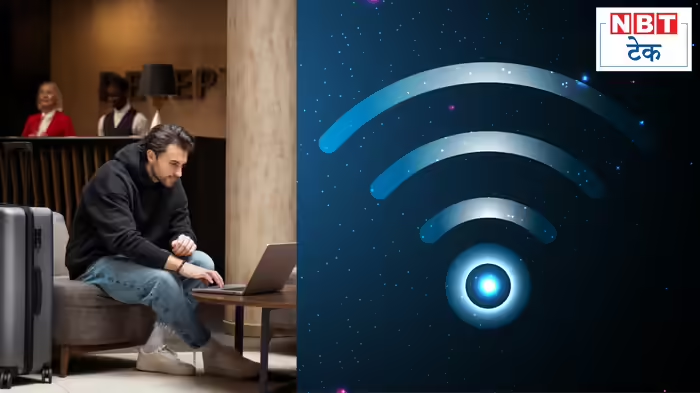
Free Wi-Fi in hotels and public places may seem convenient, but cybersecurity experts warn that it can pose serious risks to your personal data, passwords, and even bank accounts. Connecting to an unsecured hotel network can expose users to data breaches, cyber-stalking, and financial fraud.
Are Hotel Wi-Fi Networks Safe?
According to a report by Reader’s Digest, connecting your smartphone or laptop to hotel Wi-Fi can put your personal information, login credentials, and banking details at risk. Thousands of guests often use the same network, making it an easy target for hackers—especially since many hotel networks operate with outdated or weak security systems.
Once cybercriminals gain access to a hotel’s Wi-Fi router, they can potentially monitor online activity, steal passwords, intercept sensitive data, and even manipulate connected devices.
How Hackers Steal Data
Hackers can inject malware into hotel Wi-Fi routers, which then spreads to connected devices. In some cases, attackers alter router settings to redirect users to fake or malicious websites, enabling them to harvest personal and financial information without the user’s knowledge.
Are Password-Protected Hotel Wi-Fi Networks Safe?
Many users assume that password-protected hotel Wi-Fi is secure—but experts say this is a dangerous misconception. Even secured networks allow the hotel and, potentially, attackers to access basic device information. Password protection alone does not guarantee data safety.
Common Hacking Techniques
Cybercriminals often exploit unsecured hotel networks by installing spyware. This allows them to launch “session takeover” attacks, in which a user’s browsing session is hijacked. During such attacks, hackers can access everything on the device, including passwords, emails, and sensitive documents.
How to Stay Safe on Hotel Wi-Fi
Cybersecurity experts recommend the following precautions while traveling:
- Use a VPN (Virtual Private Network) to encrypt your internet traffic
- Avoid online banking or financial transactions on hotel Wi-Fi
- Enable two-factor authentication on all important accounts
- Prefer using your mobile hotspot instead of public Wi-Fi
- Consider carrying a secure travel router
- Use firewalls and trusted security tools to block malware
- Ensure websites you visit use HTTPS, indicating a secure connection
Bottom Line
While free hotel Wi-Fi offers convenience, it comes with hidden dangers. A moment of carelessness can lead to identity theft, financial loss, or data compromise. Staying alert and following basic cybersecurity practices can help travelers stay safe in an increasingly connected world.
Discover more from SD NEWS agency
Subscribe to get the latest posts sent to your email.