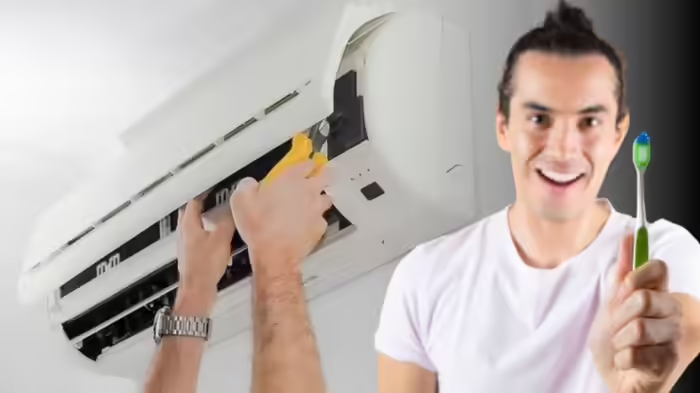
As summer temperatures rise, waiting for a technician to service your AC can be frustrating. Fortunately, you can perform a soft AC service at home using just water and an old toothbrush, giving your unit a clean and improving efficiency until the next professional service. This method is useful when a hard service isn’t immediately possible, providing a gap of at least 15 days before the technician’s visit.
Soft Service vs. Hard Service
A hard AC service involves a technician dismantling the unit and thoroughly cleaning all components using specialized tools. A soft service, on the other hand, focuses on cleaning the most crucial parts yourself—filters, coils, and the outdoor unit—without the use of tools. This helps maintain efficiency between professional services.
Tools You’ll Need
- Water and a hose
- An old toothbrush
- A clean cloth
Always ensure the AC is unplugged before beginning any cleaning.
Step-by-Step Soft AC Service
Step 1: Clean the Filter
Remove the AC filter, which is usually a mesh screen over the coils. Rinse it thoroughly under running water to remove dust and dirt. Allow it to dry completely before reinstalling.
Step 2: Clean the Coils
Use a wet toothbrush to gently scrub the coils located behind the front cover. Keep rinsing the brush to remove accumulated dust. Be gentle to avoid damaging the delicate coil fins.
Step 3: Clean the Back of Window AC Units (Window AC only)
For window AC users, rinse the coils located at the rear with a strong stream of water. This helps the AC pull in room air and expel hot air efficiently.
Step 4: Clean the Outdoor Unit (Split AC only)
For split ACs, clean the outdoor condenser unit using water. Focus on the rear coils to remove accumulated dust and debris, ensuring proper airflow and cooling efficiency.
Step 5: Check Cooling Performance
Wait 1–1.5 hours after cleaning, then restart the AC and notice the improvement in cooling. While soft servicing can boost performance, it cannot replace a professional hard service, which should be done within the next 15 days.
By following these simple steps, users can maintain AC efficiency, reduce energy consumption, and extend the life of their unit until the next professional service.
Discover more from SD NEWS agency
Subscribe to get the latest posts sent to your email.