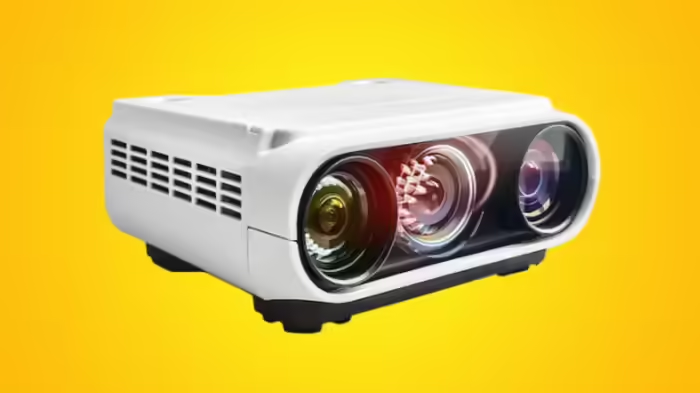
New Delhi: With the growing popularity of home entertainment, many people face the dilemma: should they buy a projector or a TV? While both have their advantages, a major flaw in projectors often makes TVs the preferred choice.
Lens Blur: The Biggest Issue
The most critical component of a projector is its lens, which projects images onto a wall or screen. Over time, dust, moisture, and dirt accumulate on the lens. While the outer surface can be cleaned, dirt inside is difficult to remove. In some cases, fungus develops inside the lens, creating white spots or blurring the image. Even with high-end projectors, this problem typically appears within 2–3 years.
In contrast, TV panels are sealed and dust-free, maintaining clear picture quality for years. This is why lens blur often makes projectors inferior to TVs.
Other Limitations of Projectors
- Constant Maintenance: Projectors need to cool down after each use, or the lamp can burn out. They must also be covered to prevent dust accumulation. TVs require none of this.
- Lighting Dependency: Projectors require completely dark rooms; even slight ambient light makes the image fade. TVs deliver excellent picture quality even in daylight.
- Image Alignment: Projectors need to be placed at a perfect angle; misalignment distorts the image. TVs display a straight image wherever placed.
- Audio Issues: Projector speakers are weak, often requiring external sound systems, whereas TVs come with built-in quality speakers.
- Heat and Dust: Projectors generate heat that attracts dust, further accelerating lens dirtiness.
Bottom line: While projectors offer a larger screen experience, maintenance challenges, lighting requirements, and lens issues make TVs the more convenient and long-lasting choice for most users.
Discover more from SD NEWS agency
Subscribe to get the latest posts sent to your email.