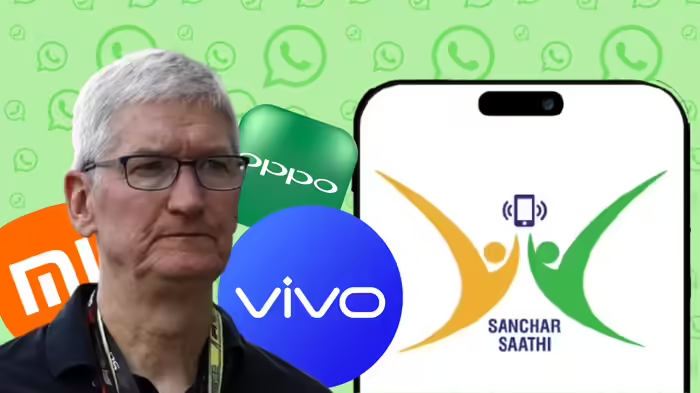
The tech industry is in turmoil following two recent directives from the Indian government. The Department of Telecommunications (DoT) issued orders last week mandating SIM binding for messaging apps and the pre-installation of the “Sanchar Saathi” app on all smartphones.
According to the DoT’s notification dated 28 November, apps like WhatsApp and Telegram will now require SIM binding, meaning a user cannot operate these apps without an active SIM card linked to the registered phone number. Simultaneously, smartphone manufacturers including Apple, Samsung, Motorola, Xiaomi, Vivo, and Oppo are required to pre-install the Sanchar Saathi app on all devices sold in India. Non-compliance will attract penalties. Companies must implement the order within 90 days and submit a compliance report to the DoT within 120 days.
Why the Government Calls It Important
The government claims these steps will help curb digital fraud, scam calls, and unauthorized use of messaging platforms. Officials say SIM binding will prevent misuse of messaging apps, particularly when SIM cards are removed or switched.
Industry Concerns and Privacy Issues
Tech experts, however, have expressed serious concerns. Many argue that the government issued these orders without consulting the industry, leaving smartphone companies and app developers with little time to prepare. Questions raised include: What is the purpose of the Sanchar Saathi app? Where will user data be stored? Will users be able to uninstall the app?
According to reports, privacy remains the biggest concern. Apple, among others, has voiced opposition citing privacy risks. Industry insiders argue that DoT’s orders represent regulatory overreach, imposing excessive control over both devices and apps.
Impact on Messaging Platforms
For messaging platforms like WhatsApp, SIM binding could disrupt their current business models. Currently, these apps operate using phone numbers, but mandatory SIM linkage may force them to adopt alternative identifiers such as email IDs. This may also create challenges for Indian users traveling abroad, as apps may not work without an Indian SIM.
While cellular operators have welcomed the move, claiming it will prevent misuse, messaging platforms and smartphone companies are reportedly preparing legal challenges against the directive. TV Ramachandran, President of the Broadband India Forum (BIF), said the orders place telecom responsibilities onto apps and device manufacturers, which could lead to technical and operational issues across various devices.
As the debate continues, both privacy advocates and tech firms are closely monitoring the implementation of these directives, raising questions about the balance between security and user freedom.
Discover more from SD NEWS agency
Subscribe to get the latest posts sent to your email.