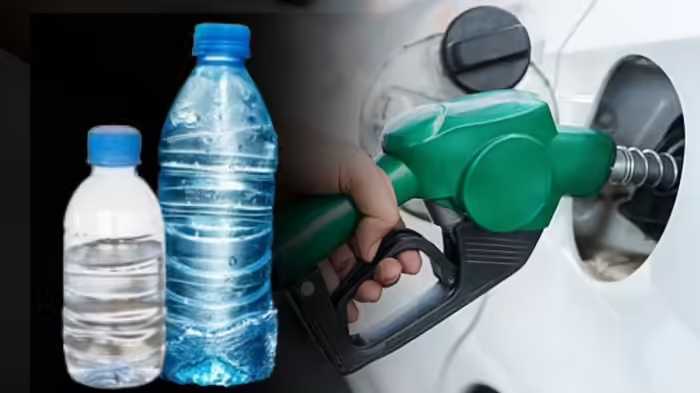
In a breakthrough for both energy and water scarcity, a factory in Rizhao, Shandong Province is converting seawater into green hydrogen, a clean fuel of the future, and simultaneously producing potable water—all at an astonishingly low cost of just 2 yuan (≈ ₹24) per cubic meter. This pioneering technology promises to tackle two of the world’s pressing challenges: the environmental burden of fossil fuels and the global shortage of drinking water.
How the Technology Works
The factory operates on a unique “One Input, Three Outputs” model:
- Input: Seawater and waste heat from nearby steel and petrochemical plants.
- Outputs:
- Ultra-pure drinking water: Approximately 450 cubic meters per 800 tons of seawater processed annually, usable for both industrial and human consumption.
- Green hydrogen: Around 192,000 cubic meters per year, sufficient to power 100 buses for 3,800 kilometers.
- Brine residue: Roughly 350 tons annually, which can be utilized in marine chemical production.
The process is self-sustaining, using the previously wasted industrial heat from surrounding factories, making it both energy-efficient and cost-effective.
Why This Innovation is Significant
- Environmental impact: Green hydrogen is a clean alternative to petrol and diesel, reducing carbon emissions.
- Water security: Provides affordable drinking water, critical for water-scarce regions.
- Resource efficiency: Every byproduct is utilized, leaving no waste behind.
Experts believe this technology positions China ahead of global leaders like Saudi Arabia and the United States in sustainable fuel and water production. Countries surrounded by oceans can particularly benefit, gaining both energy and potable water from seawater at minimal costs.
This revolutionary approach not only offers a solution to energy and water crises but also sets a benchmark in cost-effective, sustainable industrial innovation.
Discover more from SD NEWS agency
Subscribe to get the latest posts sent to your email.