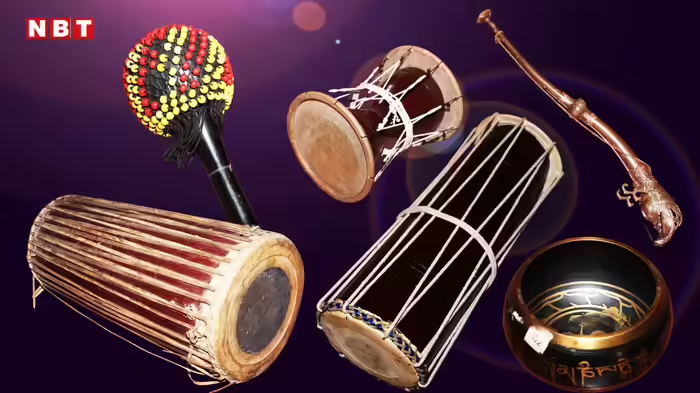
Lucknow, Jan 29, 2026: Amid the rising tide of modern music and digital sounds, the traditional musical instruments of India’s tribal communities are gradually fading into obscurity. Recognizing this cultural loss, Uttar Pradesh’s Folk and Tribal Culture Institute has taken significant steps to preserve these endangered treasures. The institute is currently safeguarding over 200 traditional instruments, ensuring that future generations remain connected to their rich cultural roots.
Once resonating across forests, hills, and riversides, instruments like the dholak, nagada, daf, dhafli, and been are now on the brink of extinction. Following directives from Chief Minister Yogi Adityanath, the institute is not only preserving these instruments but also showcasing them through exhibitions and cultural events to bring them to public attention.
Tribal communities such as the Gond, Tharu, Buksa, Kharwar, Sahariya, Baiga, Agaria, Chero, and Mahigir have historically placed music at the heart of their daily life. The rhythmic jingles of manjira, chimta, khadtal, and ghungroo, alongside melodic tunes of bansuri, been, and sarangi, have been central to their identity. The institute’s efforts aim to keep this musical heritage alive.
The instruments under preservation include:
- Percussion: dholak, nagada, daf, dhafli, damru, dhak, thali
- Melodic: bansuri, been, sarangi
- Rhythmic: manjira, chimta, ghungroo, khadtal
In total, the institute now holds over 200 instruments, many of which were on the verge of extinction.
To connect the public with these instruments, the institute has organized special exhibitions at events such as Kala Kumbh, Kala Gaon, and Tribal Festivals. At the Mahakumbh in Prayagraj, the display drew admiration from art enthusiasts and tourists alike. Similarly, during UP Diwas, exhibitions at Kala Gaon helped youth engage with their cultural heritage. During the 150th birth anniversary of tribal leader Birsa Munda, the sound of traditional instruments resonating at the Tribal Participation Festival highlighted that preservation efforts are not limited to storage—they actively revive and transmit cultural heritage to the next generation.
The institute’s initiative sends a clear message: with the right balance between tradition and modernity, cultural identity can not only be preserved but also infused with new energy for generations to come.
Discover more from SD NEWS agency
Subscribe to get the latest posts sent to your email.