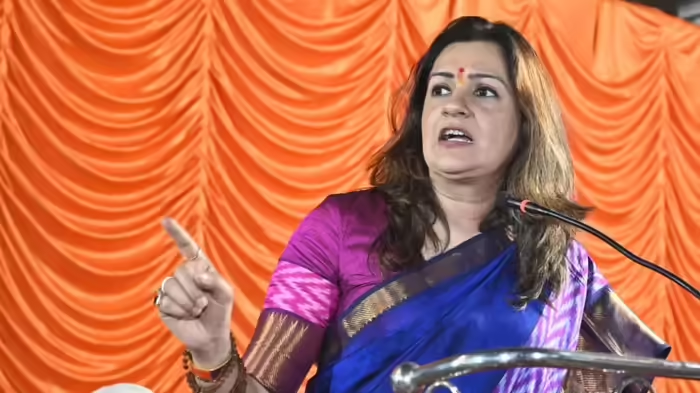
Mumbai: Shiv Sena (UBT) MP Priyanka Chaturvedi has voiced strong objections to the University Grants Commission’s (UGC) “Promotion of Equity in Higher Education Institutions Regulations, 2026.” She raised concerns over the scope, clarity, and selective implementation of the regulations, warning that they could create tension on university campuses if not carefully drafted. Responding to the January 2026 UGC notification, Chaturvedi criticized the law for offering unequal legal protection.
Priyanka Chaturvedi’s Concerns
In a statement on social media platform X, Chaturvedi acknowledged that caste-based discrimination is wrong but questioned why the regulations appear one-sided. She wrote:
“India has witnessed the consequences of students facing discrimination. Shouldn’t the law protect everyone equally? Why is there selective enforcement?”
She also highlighted the lack of safeguards against misuse of the regulations, asking:
“What happens in false cases? Who decides guilt? How is discrimination defined—by words, actions, or intent? Laws should be clear, precise, and apply equally to all. Instead of creating a hostile campus environment, the UGC notification should either be withdrawn or amended.”
Purpose of the UGC Regulations
The UGC’s 2026 regulations aim to strengthen anti-discrimination measures in higher education. They mandate the creation of Equity Committees, Equal Opportunity Cells, helplines, and monitoring squads in colleges and universities. The rules define discrimination broadly, including both direct acts and indirect biases or systemic exclusion.
Forward Caste Concerns
The regulations respond to a reported 118% increase in discrimination complaints between 2019 and 2023, particularly concerning Scheduled Castes, Scheduled Tribes, and Other Backward Classes. However, some members of forward castes feel the rules are one-sided, potentially leaving accused students without adequate protection and unfairly targeting them.
Supporters Highlight Benefits
Proponents argue that the regulations are necessary to address historical marginalization and institutional accountability. They emphasize that the rules are not reverse discrimination, but rather mechanisms to ensure complaints are addressed and compliance is monitored regularly by institutional heads.
Discover more from SD NEWS agency
Subscribe to get the latest posts sent to your email.