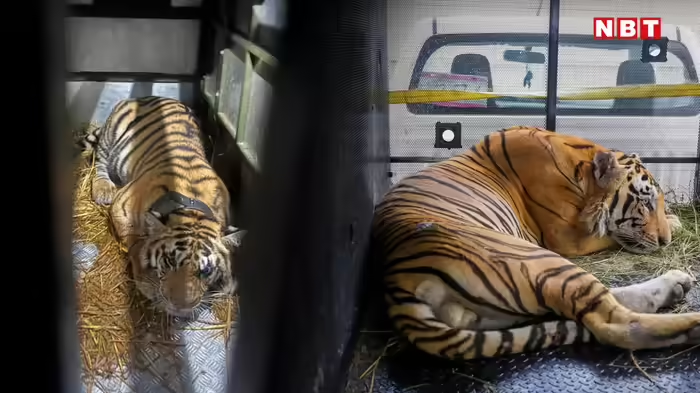
In a landmark move to strengthen the genetic base of tigers in Rajasthan, the state forest department has translocated a tigress from Pench Tiger Reserve in Madhya Pradesh to the Ramgarh Vishdhari Tiger Reserve in Bundi. The initiative aims to promote cross-breeding, reduce the risk of inbreeding, and develop a healthier and more resilient tiger population in the state’s forests.
India’s First Inter-State Tiger Translocation
India currently has 58 tiger reserves, six of which are located in Rajasthan. However, reserves such as Ranthambore, Sariska, Mukundra, and Ramgarh Vishdhari have largely been home to tigers belonging to the same family lineage, primarily translocated earlier from Ranthambore. This has led to a narrowing of the genetic pool.
Keeping this in mind, the Ramgarh Vishdhari Tiger Reserve has become the site of India’s first inter-state tiger translocation, with a tigress brought in from another state to diversify the gene pool and strengthen future generations.
Strengthening the Gene Pool Through Cross-Breeding
Field Director and Chief Conservator of Forests (CCF) for Mukundra and Ramgarh Tiger Reserves, Sugmaram Jat, said most of Rajasthan’s tigers share a common ancestry, which increases the long-term risk of genetic weakness.
“The purpose of bringing a tigress from another state is to promote cross-breeding and improve the genetic diversity, so that the next generation of tigers is healthier and stronger,” he said.
Tigress Airlifted from Madhya Pradesh
The three-year-old tigress PN-224 was airlifted on Sunday night from Pench Tiger Reserve and safely released into a secured enclosure at Ramgarh Vishdhari. Forest officials are closely monitoring her movement, health, and behaviour. She will be released into the open forest once conditions are deemed suitable.
Current Tiger Strength at Ramgarh Vishdhari
With the arrival of the Pench tigress, the total number of tigers in Ramgarh Vishdhari Tiger Reserve has increased to eight.
- Total tigers: 8 (aged between 15 months and 9 years)
- Female tigers: 5
- Three tigresses aged 2.5–3 years (including the newly translocated tigress)
- One tigress aged 5–6 years (RVT-3)
- One tigress aged 8–9 years (RVT-1)
- Male tigers: 2 (aged around 3 years and 8–9 years)
- Male cub: 1 (approximately 15 months old)
Mukundra Tiger Reserve Next in Line
After Ramgarh Vishdhari, preparations are underway for Mukundra Tiger Reserve in Kota. Next month, another tigress is likely to be translocated from Kanha or Bandhavgarh Tiger Reserve in Madhya Pradesh, subject to approval from the National Tiger Conservation Authority (NTCA).
Addressing the Risk of Inbreeding
Wildlife experts warn that prolonged inbreeding can lead to genetic disorders and reduced immunity among tigers. While Ranthambore currently hosts over 78 tigers and cubs and no genetic disease has been reported so far, experts believe proactive measures are essential to avert future risks.
The inter-state translocation marks a significant step in Rajasthan’s wildlife conservation strategy, ensuring genetic diversity and reinforcing the long-term survival of tigers in the state’s forests.
Discover more from SD NEWS agency
Subscribe to get the latest posts sent to your email.