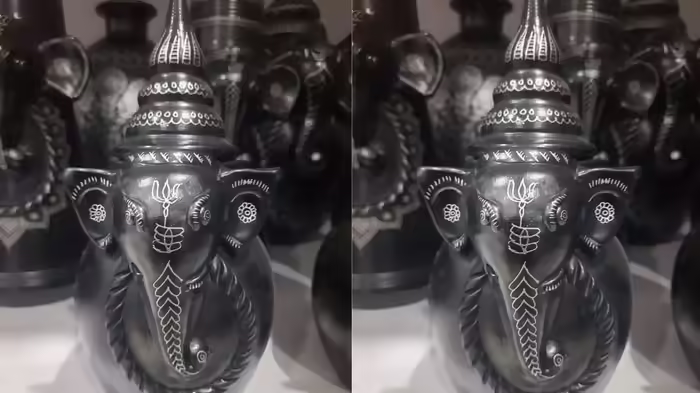
Azamgarh, UP: Nizamabad, a town in Azamgarh district of Uttar Pradesh, is renowned worldwide for its black pottery, a craft dating back to the Mughal era. The art is unique because it uses deep black clay to create pots, figurines, jewelry, and decorative items entirely by hand, without any paint.
The craft was introduced by four to five artisans who migrated from Kutch, Gujarat, and collaborated with local craftsmen to develop this distinctive style. Today, nearly 1,500 families in Nizamabad rely on black pottery for their livelihood, with products exported both within India and abroad.
Distinctive Features and Crafting Process
The charm of Nizamabad black pottery lies in its natural black color and glossy finish. The process begins with selecting fine-quality black clay, which is kneaded with water. On a potter’s wheel, artisans shape the clay into vessels or figurines. Once semi-dried, the surface is polished with stone and sun-dried. A mixture of kabish coating, mango bark, bamboo leaves, red and yellow clay, and soda is then applied. Finally, mustard oil is used to polish the items before firing them in sealed kilns. Artisans often use a mixture of zinc, red ochre, and mercury to add intricate carvings and enhance the shine.
High Global Demand
Black pottery from Azamgarh is in such high demand worldwide that artisans often struggle to fulfill orders. Prime Minister Narendra Modi has even presented pieces of this craft to Japanese Prime Minister Fumio Kishida at a G7 summit. Local artisans create decorative items, vases, figurines, pitchers, lamps, and dining ware. The annual trade value is estimated at around ₹80–90 crore.
Government Support and ODOP Initiative
The Uttar Pradesh government has included black pottery under the ODOP (One District One Product) scheme, offering artisans support and incentives. District authorities provide training, tools, and business guidance, enabling craftsmen to achieve self-employment and gain global recognition.
Artisans and Awards
Several local artisans have been recognized at national and state levels. Notable figures include Shivratn Prajapati, Ramjatan Prajapati, and Sohit Prajapati, all descendants of the celebrated Rajendra Prasad Prajapati family. Their continued work has preserved and enriched this traditional art form for generations.
Discover more from SD NEWS agency
Subscribe to get the latest posts sent to your email.