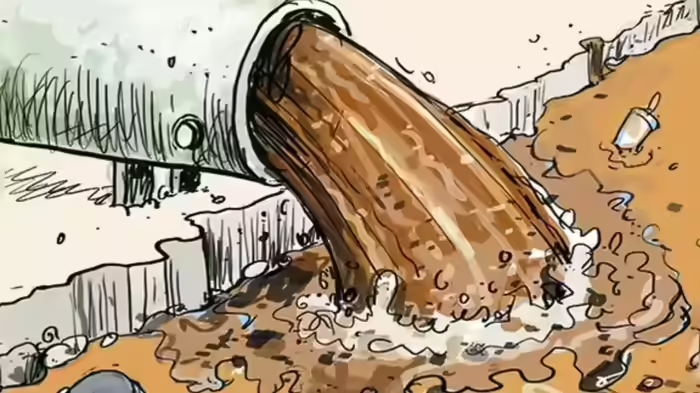
After the recent tragedy in Indore that claimed 18 lives due to sewage contamination, Madhya Pradesh is now facing another looming public health crisis. According to a latest Central Government report, dangerously high levels of nitrate contamination have been detected in groundwater across 39 out of 55 districts of the state.
The report, released in August 2025 and based on the 2024 Groundwater Quality Assessment, places Madhya Pradesh second only to Uttar Pradesh in terms of nitrate pollution in groundwater nationwide.
Nitrate Reduces Oxygen Supply in the Body
Experts warn that excessive nitrate levels in drinking water can significantly reduce oxygen-carrying capacity in the blood, a condition particularly dangerous for infants and young children. High nitrate intake is known to cause methemoglobinemia, commonly referred to as “blue baby syndrome,” and may prove fatal if left unchecked.
The permissible limit for nitrate in drinking water is 45 mg/L, but groundwater samples from these districts have exceeded this threshold by a wide margin.
39 Districts Affected
The districts where nitrate levels have crossed safe limits include:
Indore, Agar Malwa, Anuppur, Balaghat, Barwani, Bhind, Burhanpur, Chhindwara, Damoh, Datia, Dewas, Dhar, Guna, Gwalior, Harda, Jabalpur, Jhabua, Katni, Khandwa, Khargone, Mandla, Mandsaur, Morena, Narsinghpur, Neemuch, Panna, Rajgarh, Ratlam, Rewa, Sagar, Satna, Shahdol, Shajapur, Sheopur, Shivpuri, Sidhi, Tikamgarh, Ujjain and Umaria.
Why Are Nitrate Levels Rising?
The report identifies multiple causes behind the alarming rise:
- Leakage from septic tanks and poor sewage disposal systems
- Excessive use of chemical fertilizers, especially in wheat and paddy cultivation
- Rapid urbanization and declining groundwater recharge
- Climate change, reducing natural dilution of pollutants in aquifers
With less fresh water replenishing underground sources, nitrate concentration continues to rise unchecked.
Water Is a State Subject
While groundwater management falls under the jurisdiction of state governments, the Centre provides technical and financial support through various schemes. However, experts stress the urgent need for state-level intervention, improved sewage infrastructure, regulated fertilizer use, and continuous monitoring of drinking water quality.
Public Health Emergency in the Making
If immediate corrective measures are not taken, nitrate contamination could escalate into a statewide public health emergency, affecting millions who depend on groundwater for drinking and domestic use.
Authorities are being urged to issue advisories, ensure safe drinking water alternatives, and accelerate efforts to prevent further contamination.
Discover more from SD NEWS agency
Subscribe to get the latest posts sent to your email.