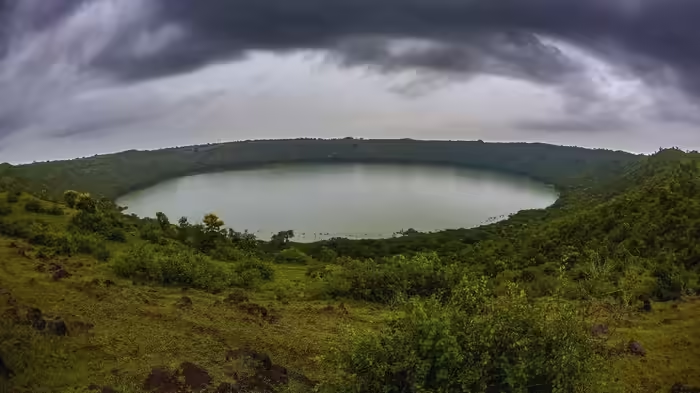
Pune: Maharashtra’s historic and scientifically significant Lonar Lake is facing a severe environmental crisis. Formed around 50,000 years ago due to a meteorite impact, the lake is not only a rare geological marvel but also considered one of the most important natural analogues on Earth for studying the surface of Mars. However, its delicate ecosystem is now under threat due to excessive inflow of freshwater.
Protected as a Ramsar site, Lonar Lake has long been known for its highly alkaline waters. Its pH level, traditionally around 11.5, prevented fish from surviving while supporting a unique microbe-based biodiversity. Recently, however, fish have been spotted in the lake for the first time, surprising both scientists and authorities.
High Court Takes Cognizance
The steadily rising water level has further worsened the situation. The Nagpur bench of the Bombay High Court has taken suo motu cognizance and sought a response from the state government. Of the 15 ancient temples around the lake, nine are now partially or completely submerged. Water reaching the Kamalja Devi Temple has also hurt local religious sentiments.
Hydrogeologist and former Pro-Vice Chancellor of Dr. Babasaheb Ambedkar Marathwada University, Dr. Ashok Tenjkar, reported that the lake’s water level has risen by nearly 20 feet over the past two years. His study revealed that 600–700 feet deep borewells in the surrounding area have breached the natural water-retaining basalt layers, causing groundwater to flow directly into the lake.
Previously Only Two Freshwater Sources
Earlier, the lake had only two freshwater sources—Dhar (Gomukh) and Sitanahani. Now, two additional streams, Ramgaya and Papreshwar, have become active, continuously supplying large volumes of water. This has lowered the lake’s pH to around 8.5, threatening its unique chemical properties. Ironically, while the lake overflows, Lonar town itself faces a water shortage, receiving piped water only once a month and relying heavily on tankers and borewells.
Expert Suggests a Sustainable Solution
Dr. Tenjkar recommends diverting the incoming stream water into a purification system before using it for the town’s water supply. This would reduce the lake level while providing a sustainable water solution for locals. Experts note that conservation efforts remain largely on paper. Proposed land acquisitions for research and preservation face opposition from local farmers, while forest authorities cite restrictions under wildlife protection laws.
The future of Lonar Lake now depends on achieving a delicate balance between development, conservation, and local livelihoods.
Discover more from SD NEWS agency
Subscribe to get the latest posts sent to your email.