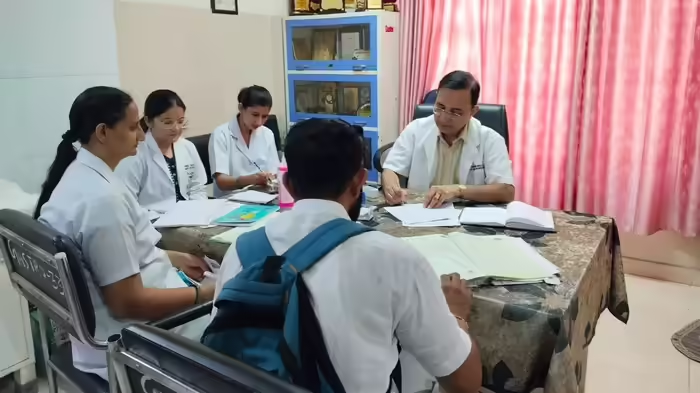
Rohtak, Haryana: New research from PGIMS Rohtak has revealed alarming statistics regarding the impact of hepatitis on women. According to a study conducted by the Departments of Gastroenterology, Gynecology, Community Medicine, and Microbiology, women infected with hepatitis B experienced a 30% miscarriage rate, while those with hepatitis C faced a 26% risk.
Hepatitis, commonly known as jaundice, is a severe and potentially fatal liver infection caused by hepatitis B and C viruses. Symptoms include yellowing of the skin and eyes, severe fatigue, abdominal pain, vomiting, and mental confusion. The infection can lead to liver failure or cancer if left untreated.
Research Highlights
Dr. Praveen Malhotra, Senior Professor and Head of the Gastroenterology Department and In-Charge of the Nodal Treatment Center at PGIMS, stated that over the past 12 years, approximately 26,000 hepatitis C and 12,000 hepatitis B patients have been registered at the institute. Most affected women were aged between 20 and 30, with the highest risk of miscarriage observed during the first trimester. The study also found that 60% of affected women experienced one miscarriage, while 40% had two or more.
Prevention and Awareness
Dr. Malhotra emphasized that everyone should get tested for hepatitis before marriage, as timely treatment can prevent serious complications. The institute has also linked hepatitis awareness campaigns with anti-addiction initiatives. Of the 38,000 registered patients, over one-third were substance users, but 80% have since quit smoking, alcohol, and drugs.
Collaborative efforts led by Dr. Pushpa Dahiya (Head of Gynecology) and researchers Dr. Vani Malhotra and Dr. Paramjeet Singh Gill from Microbiology have achieved significant success in preventing mother-to-child transmission of hepatitis B.
PGIMS: Haryana’s Only Nodal Treatment Center
Under the National Viral Hepatitis Control Program, PGIMS Rohtak’s Gastroenterology Department serves as Haryana’s only nodal treatment center for hepatitis. The institute treats 70–80 patients daily, free of cost, providing on-site access to Fibroscan, endoscopy, and other essential tests without appointments. High-risk individuals, including hemophilia, thalassemia, dialysis patients, HIV-positive individuals, substance users, and family members of hepatitis patients, are prioritized for vaccination. Daily hepatitis B vaccines are administered at OPD Room 206.
Lifestyle Recommendations
Dr. Malhotra advises maintaining liver health by avoiding alcohol, fried foods, sugary and fatty foods, and refined flour products. He cautions against unscientific remedies and recommends seeking treatment at PGIMS or other reputable government hospitals.
Discover more from SD NEWS agency
Subscribe to get the latest posts sent to your email.