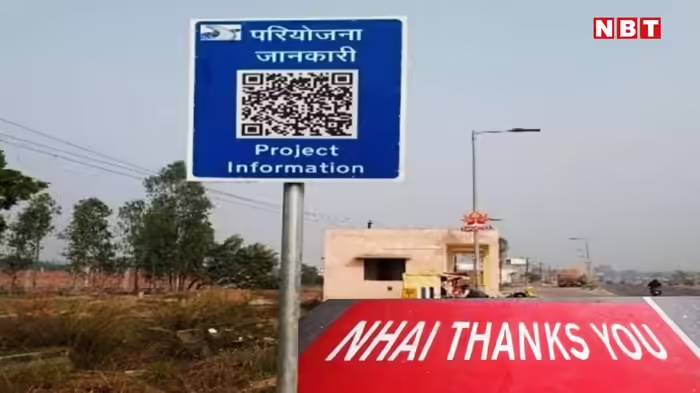
Travel to and from the holy city of Ayodhya is set to become smoother, safer, and more convenient with the introduction of advanced digital facilities on two major national highways. The National Highways Authority of India (NHAI) has rolled out QR code–based information systems and UPI-enabled toll payments on NH-27 and NH-330A, marking a significant step toward modernizing road travel in the region.
The initiative covers the stretch of NH-27 from Ramsanehi Ghat to Gorakhpur and NH-330A from Jagdishpur to Ayodhya. These highways witness heavy traffic throughout the year, especially due to the large influx of pilgrims and tourists visiting Ayodhya.
According to Avneet Siddharth, Project Director, PIU Ayodhya, the new digital measures aim to enhance transparency, safety, and convenience for millions of commuters. He said the initiative aligns with NHAI’s vision of creating smart and user-friendly highways, particularly in high-footfall religious and tourism destinations like Ayodhya.
As part of the project, vertical QR code signboards have been installed at key locations along the highways, including toll plazas, rest areas, truck parking zones, wayside amenities, and at the start and end points of the highways. By scanning these QR codes, travelers can instantly access vital information such as:
- Highway number and chainage
- Total project length and construction/maintenance details
- Contact numbers of highway patrol, toll managers, resident engineers, and project managers
- Emergency helpline number 1033
- Nearby facilities including hospitals, petrol pumps, toilets, police stations, restaurants, vehicle repair shops, and EV charging stations
In another major convenience, NHAI has introduced a dynamic QR code system at toll plazas. This allows vehicles without a valid FASTag to pay toll charges digitally by scanning the QR code and making payment via UPI, ensuring seamless movement and reducing congestion at toll points.
Officials believe this step is particularly crucial given the growing vehicular pressure on Ayodhya’s roads. The integration of digital payments and real-time information is expected to significantly improve traffic flow, reduce disputes at toll plazas, and enhance the overall travel experience.
With these initiatives, Ayodhya’s highways are not just roads anymore—they are becoming smart corridors that reflect India’s push toward digital infrastructure and hassle-free mobility.
Discover more from SD NEWS agency
Subscribe to get the latest posts sent to your email.