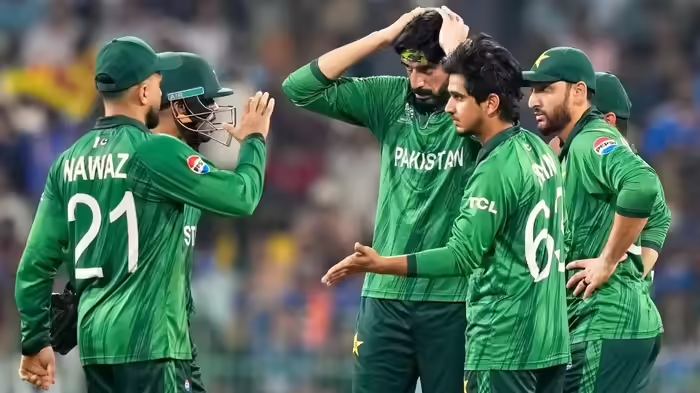
Colombo: After Pakistan’s crushing 61-run loss to India in the T20 World Cup 2026, questions have arisen not only about team performance but also about key strategic decisions. Pakistan head coach Mike Hesson addressed the delayed bowling of mystery spinner Usman Tariq and the decision to bowl first after winning the toss.
Tariq’s Delayed Introduction
Prior to the match, Tariq was considered Pakistan’s trump card. However, he was only brought into the attack in the 11th over, by which time Ishan Kishan had already provided India with a blistering start. Hesson explained, “Usman is most effective when batsmen try to attack him. We trusted Shadab Khan and Abrar Ahmed to build pressure after the powerplay, but their lengths were not precise. Tariq did take the important wicket of Suryakumar Yadav, conceding just 24 runs in 4 overs, but by then the match had largely slipped away from us.”
Toss Decision Defended
Pakistan captain Salman Ali Aga chose to bowl after winning the toss, a move that drew criticism given past records favoring teams batting first at R. Premadasa Stadium. Hesson defended the decision, stating, “There was nothing wrong with the toss. The pitch in the second innings played better than expected and offered less turn. The main reasons for defeat were poor execution in bowling and Ishan Kishan’s explosive 77-run innings.”
Record Defeat and Super-8 Implications
This result marks Pakistan’s largest margin of defeat by runs against India in T20 internationals. The loss has also impacted Pakistan’s net run rate, which now stands at -0.403, dropping them to third place in the points table. To remain in the Super-8 race, Pakistan must win their final group-stage match against Namibia on 18 February.
Discover more from SD NEWS agency
Subscribe to get the latest posts sent to your email.