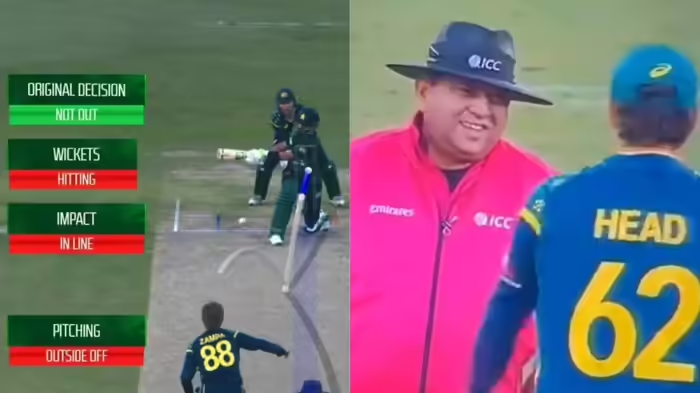
In the first T20 match between Pakistan and Australia, former Pakistan captain Babar Azam was dismissed LBW in a dramatic turn of events, with Australia gaining the wicket via DRS amid a series of errors by the third umpire.
Babar Struggles Despite Batting Change
Lahore: Babar Azam, playing for Pakistan, was sent in at number four, marking his first time batting outside the top three in T20 internationals since 2018. Despite the change in position, Babar could not make a significant impact and scored 24 runs off 20 balls before returning to the pavilion.
DRS Decision Sparks Controversy
Australia secured Babar’s wicket through a DRS review. Adam Zampa bowled a delivery that Babar attempted to reverse sweep. The ball struck his pads, prompting Australia to appeal. The on-field umpire initially ruled not out. However, Australia captain Travis Head opted for a review. Replay clearly showed the ball had not contacted the bat. Ball-tracking technology indicated three reds, confirming Babar was out.
Third Umpire Appears Confused About Rules
The third umpire seemed unsure about the rules while interpreting the ball-tracking. Since Babar is a right-handed batsman, the stumps do not switch even when attempting a reverse sweep. The broadcast director had to clarify the decision multiple times before the third umpire acknowledged the correct outcome: Babar was out.
Confusion on the Field
The confusion extended onto the field. The third umpire initially instructed the on-field umpire, Ehsan Raza, to stick to his original non-out decision. Raza signaled not out, prompting laughter from players and commentators alike. After realizing the batsman was indeed dismissed, the third umpire corrected the decision, and Babar, aware he was out, walked back to the pavilion after reviewing the ball-tracking for the first time.
The incident left fans and commentators amused, highlighting a rare moment of confusion in international cricket officiating.
Discover more from SD NEWS agency
Subscribe to get the latest posts sent to your email.