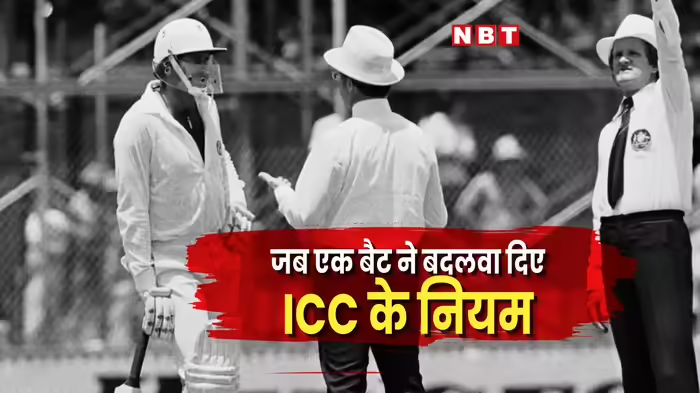
Perth, Australia: On this day in cricket history, a bold experiment with an aluminum cricket bat brought a Test match to a standstill and ultimately led to a historic change in the rules of the game.
During the 1979 Ashes series at Perth, Australia’s legendary fast bowler Dennis Lillee shocked the cricketing world by attempting to bat with a metal “ComBat” instead of a traditional wooden bat. The stunt, partly designed to gain publicity, created a chaotic scene on the field and sparked intense debate.
The Incident
On December 15, 1979, the fourth ball of an over bowled by England’s Ian Botham hit Lillee’s aluminum bat, producing an unusual sound that stunned England captain Mike Brearley. The umpires immediately inspected the bat and asked Lillee to switch to a legal wooden bat. Lillee refused, citing the absence of any ICC regulation banning metal bats at the time.
The standoff enraged Brearley, who argued that the aluminum bat could damage the ball. Australian captain Greg Chappell intervened, attempting to replace the bat, but Lillee sent it back. Spectators began booing, creating a tense atmosphere. Finally, Lillee relented, switched to a wooden bat, and the match resumed about 10 minutes later. He scored 18 runs before getting out but unleashed his fury in bowling, claiming 6 wickets across both innings. Australia went on to defeat England by 138 runs, despite Ian Botham taking 11 wickets in the match.
Impact on Cricket Rules
The incident triggered widespread debate about bat materials. ICC rules at the time did not specify that bats must be wooden. Following this controversy, ICC amended the laws, mandating that cricket bats must be made of wood, ensuring such incidents would not recur.
Lillee and his friend Graham Monaghan had designed the “ComBat” for publicity and to explore alternative materials. Despite the uproar, Lillee faced no formal punishment beyond a warning and humorous jabs from his peers. The aluminum bat, autographed by the English and Australian teams, remains a historical artifact in Lillee’s collection.
Legacy: This event remains a legendary anecdote in cricket history, symbolizing both innovation and the importance of regulations in preserving the spirit and fairness of the game.
Discover more from SD NEWS agency
Subscribe to get the latest posts sent to your email.