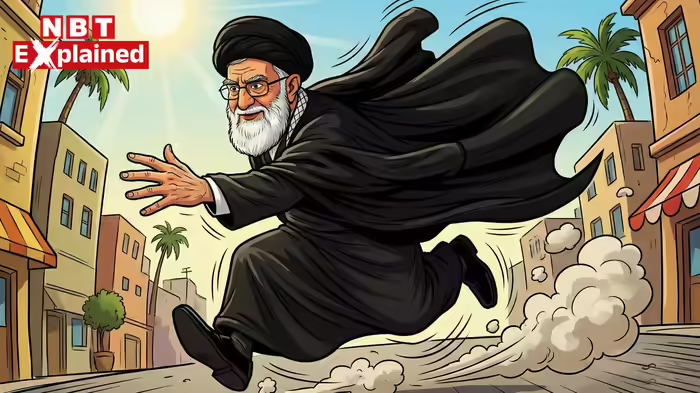
New Delhi: Amid nationwide protests against Iran’s Supreme Leader Ayatollah Ali Khamenei, the Indian government has issued an advisory for its citizens, urging them to avoid non-essential travel to the country. Reports have even suggested that Khamenei may leave Iran for Moscow, with the U.S. allegedly supporting the ongoing protests. Despite the unrest, a significant number of Indians continue to live, study, and pursue education in Iran.
Why India Sends Students to Iran
India has long-standing cultural and historical ties with Iran. Since the establishment of diplomatic relations on 15 March 1950, the two countries have maintained deep connections in trade, education, and culture. Many Indian students go to Iran to study MBBS or BDS, while others pursue religious education, especially in the Shia Islamic tradition.
Kashmir has historically been called “Iran-e-Sagheer” (Little Iran) due to its cultural and linguistic links, particularly with the Persian language. Indian students are drawn to Iran for its affordable education, favorable living conditions, and climate, which remind them of home.
Popular Cities for Education: Tehran, Qom, and Shiraz
Iranian cities such as Tehran, Qom, and Shiraz are well-known for their historical and religious significance. Qom, about 150 km from Tehran, is a major center of Shia Islamic education, hosting five to six prominent seminaries that combine modern and religious curricula. Historically, before the fall of Saddam Hussein, Najaf in Iraq was a primary center for Shia studies; today, Iran has taken that mantle globally.
For MBBS students, major universities include:
- Iran University of Medical Sciences, Tehran
- Islamic Azad University of Medical Sciences, Tehran
- Shahid Beheshti University, Tehran
- Kerman University
The cost of an MBBS program in Iran ranges from ₹15 lakh to ₹30 lakh for six years, which is about half the cost of studying in Bangladesh. Additionally, many students receive stipends from the Iranian government, further reducing financial burdens.
Students from Kashmir and Barabanki
Indian students from Kashmir and Barabanki form a substantial portion of those traveling to Iran. For Kashmiri students, the climate and lifestyle are reminiscent of home. Barabanki students, too, have historical links to Iran, as some families trace ancestry back to the country.
Tourism and Cultural Exposure
Besides education, many Indians travel to Iran to experience its rich heritage, including:
- Golestan Palace, Tehran
- Naqsh-e Jahan Square, Isfahan
- Imam Mosque, Isfahan
- Historic city of Yazd
These sites are UNESCO World Heritage landmarks and offer students a blend of cultural immersion and historical insight.
India-Iran Trade Relations
India exports to Iran include:
- Basmati rice, tea, sugar, bananas, seasonal fruits, spices
- Industrial and agricultural equipment, iron and steel, pharmaceuticals, fertilizers, textiles, rubber products
India imports from Iran:
- Crude oil, which has seen fluctuations due to U.S. sanctions
- Industrial chemicals such as acyclic alcohol and petroleum coke
- Almonds, pistachios, dates, saffron
Conclusion
Despite current unrest, Iran continues to attract Indian students due to its affordable and quality education, religious learning opportunities, and rich cultural heritage. For students from Kashmir and Barabanki, Iran offers both academic prospects and a familiar environment, maintaining its appeal as a preferred destination.
Discover more from SD NEWS agency
Subscribe to get the latest posts sent to your email.