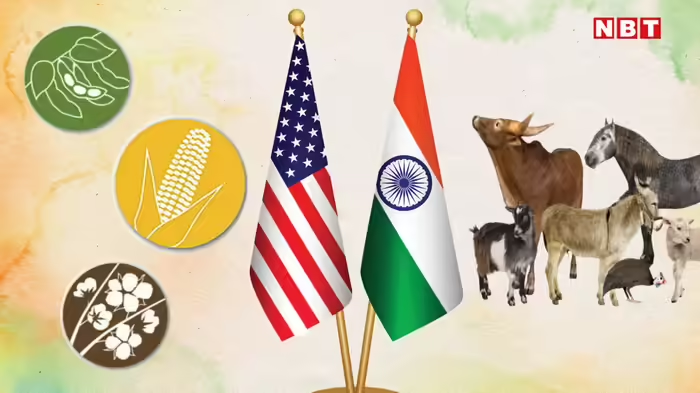
New Delhi: A fresh India–US framework could soon pave the way for genetically modified (GM) animal feed from the United States to enter Indian markets—a matter that has been politically and scientifically contentious for over a decade. Among the most debated products is Distillers Dried Grains with Solubles (DDGS), a high-protein feed ingredient derived from maize and soy.
A decade-long debate
Discussions over GM animal feed have been ongoing since at least the first term of the Trump administration, making it a recurring topic in India–US trade talks. The Genetic Engineering Approval Committee (GEAC), India’s top regulatory authority on GM products, has repeatedly studied applications for DDGS imports. Over the years, at least two sub-committees have reviewed the matter in detail, though their recommendations were not made public.
The controversy intensified in 2017, when GEAC received multiple applications from across India seeking permission to import US DDGS. Some applications even specifically requested feed containing GM soy for horses. The first such poultry feed application dates back to December 2015, followed by additional requests for GM maize imports. Despite expert consultations with the Food Safety and Standards Authority of India (FSSAI) and the Department of Animal Husbandry, approvals were delayed, leaving the matter unresolved for years.
Why demand persists
The push for GM feed is driven primarily by economics and nutrition. DDGS offers a high-protein, cost-effective alternative to maize, which domestic feed industries rely heavily upon. GEAC recognized in July 2025 that DDGS is widely used in the livestock sector to enhance animal health, performance, and product quality. Similarly, imports of alfalfa grass from the US were cleared scientifically by FSSAI in July 2024, although interim government approval remains pending due to GM-related regulatory sensitivities.
Legal and policy hurdles
Concerns about animal health, environmental impact, and food safety have kept GM feed under scrutiny. The Supreme Court of India blocked GEAC’s approval for GM mustard in 2024, emphasizing the need for a comprehensive national GM policy, which is still under preparation. As a result, GM-related feed imports have remained controversial despite scientific validation in some cases.
As India navigates trade and scientific considerations, the entry of US GM animal feed continues to be a highly sensitive issue, balancing livestock industry needs with regulatory caution and public concern.
Discover more from SD NEWS agency
Subscribe to get the latest posts sent to your email.