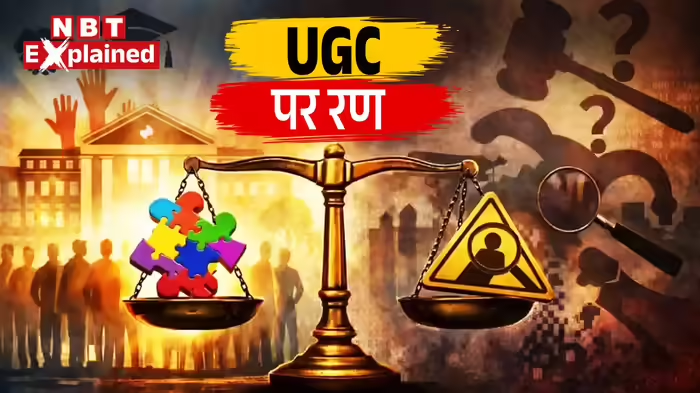
The University Grants Commission (UGC) has notified a new set of regulations titled “Regulations for Promoting Equity in Higher Education Institutions, 2026”, effective from 15 January 2026. The rules aim to strengthen safeguards against discrimination in colleges and universities across India. However, the regulations have sparked widespread debate and protests among students, faculty, and civil society groups. Critics argue that the rules do not address false complaints and may create biases against students from the general category.
Public Backlash
On social media platforms like X, multiple hashtags and campaigns have emerged against the new UGC rules, including #ShameOnUGC. Some posts suggest that parents should consider sending their children abroad for higher education to avoid the “toxic caste environment” in Indian campuses, emphasizing merit over caste-based reservations. Upper-caste communities have expressed particular anger, claiming the rules could target them unfairly.
Other critics warn that the newly proposed Equity Cells and committees could be misused to settle personal scores or threaten careers, creating a climate of fear on campuses. They also point out that the rules’ broad definitions of discrimination may disproportionately affect students from the general category.
Key Provisions of the 2026 Rules
Replacing the UGC’s 2012 anti-discrimination framework, the 2026 regulations formally require higher education institutions to implement measures against discrimination based on caste, religion, gender, disability, place of birth, and other factors. Major provisions include:
- Mandatory establishment of Equality Opportunity Cells (EOCs) in all universities and colleges.
- Formation of Equity Committees to monitor complaints and compliance.
- 24/7 helplines and equity squads for lodging complaints.
- Mandatory awareness programs and periodic reporting to the UGC.
Consequences of Non-Compliance
Institutions failing to comply with the new regulations may face regulatory action, including suspension of recognition, withdrawal of funding, or restrictions on programs.
Concerns Raised by Stakeholders
A key issue is the lack of mandatory representation for unreserved or general category students in Equity Committees, prompting protests and potential legal challenges. Another major concern is the absence of clear provisions to address false or malicious complaints, which were included in earlier drafts. Critics also emphasize the need for clarity in the rules’ broad definitions and the exercise of monitoring powers to prevent misuse.
Legal Challenge and Regional Opposition
Postdoctoral researcher Mrityunjay Tiwari of Banaras Hindu University has filed a petition in the Supreme Court challenging the new UGC regulations. Similar protests have erupted across Uttar Pradesh, Rajasthan, Bihar, and other states. Upper-caste groups view the regulations as discriminatory, while many from backward caste communities support the reforms.
UGC’s Response
The UGC cites official data showing a rise in caste-based discrimination cases in higher education in recent years, noting a more than 100% increase in reported incidents between 2019-20 and 2023-24. Officials maintain that the 2026 regulations are aimed at prevention and corrective measures rather than punitive action.
Discover more from SD NEWS agency
Subscribe to get the latest posts sent to your email.