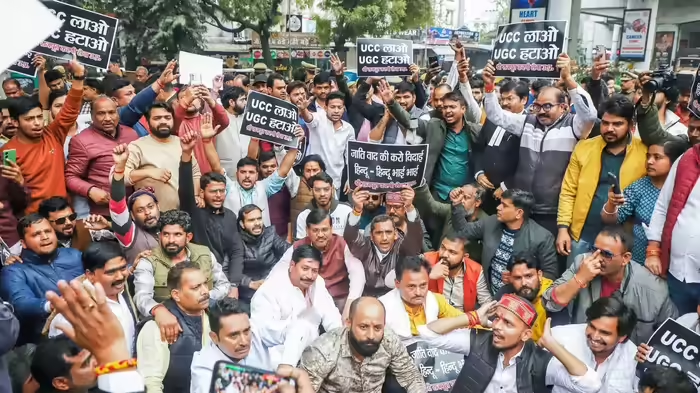
The University Grants Commission (UGC) has introduced new regulations aimed at promoting equality in higher education institutions (HEIs), set to be implemented by 2026. The updated rules expand coverage beyond SC/ST students to include OBCs as well. While the move aims to ensure fairness, students from the general category have raised concerns, claiming the regulations are biased against them.
What the New Rules Say
The 2026 regulations mark a significant shift from the advisory framework of 2012. Previously, guidelines focused primarily on SC/ST students, with punishments for offenders but limited institutional accountability. The new framework establishes a three-tier system in every HEI:
- Equal Opportunity Centre to monitor access,
- Equity Committee for investigation and recommendations, and
- External Ombudsperson for appeals.
Additional measures include Equity Squads, Equity Ambassadors, and a 24×7 Equity Helpline. Importantly, the UGC now has the power to enforce compliance. Institutions that fail to follow the rules can be barred from UGC schemes, have their degree or online program approvals revoked, or be removed from recognized lists entirely under Rule 11.
Why Controversy Has Erupted
General category students argue that the regulations fail to address safeguards against false complaints. While earlier 2025 guidelines offered some protection, the current rules do not provide explicit remedies for falsely accused individuals. Critics also point out that the definition of discrimination is broad and vague, covering hidden, indirect, or structural unfairness, as well as actions that may affect equality or dignity without explicit intent. This leaves room for subjective interpretation.
Moreover, the composition of institutional panels is expected to favor reserved categories, raising concerns about fairness. Other unresolved issues include the lack of protections for respondents, such as confidentiality, counseling support, or reputational restoration if allegations are proven false. Institutions will now face the challenge of balancing procedural fairness with timely compliance under these wide-ranging provisions.
UGC officials defend the rules, emphasizing that they aim to address all forms of discrimination, including those faced by students from higher castes. While economically weaker sections of the general category are included under the regulations, critics remain skeptical due to the lack of explicit protections.
Discover more from SD NEWS agency
Subscribe to get the latest posts sent to your email.