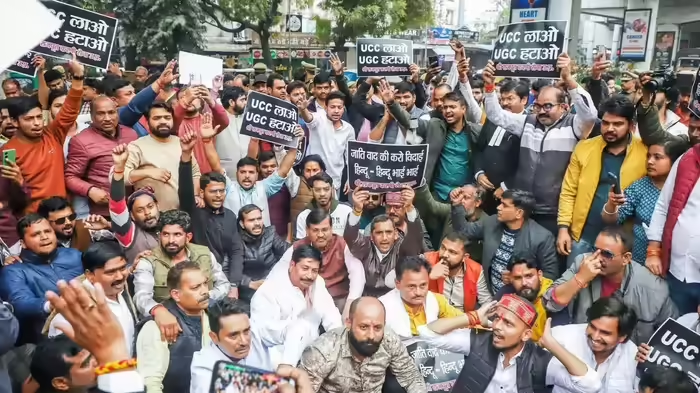
New Delhi: The debate over the University Grants Commission (UGC) rules continues, with several petitions already filed in the Supreme Court. A hearing is expected soon, but the government has indicated it will not rush a decision and will instead wait for the court’s guidance before making any amendments or changes.
Following opposition to the new rules, the government stated last Tuesday that the regulations have been implemented under the Supreme Court’s oversight. Officials emphasized that no caste, community, or individual should face injustice under the new framework. Experts suggest that the best course of action for the government is to wait for the Supreme Court’s verdict before taking further steps.
Options for the Government
Experts say the government has multiple options, though each comes with challenges:
- Hold the rules temporarily: Placing the new regulations on hold is possible but unlikely, as the Supreme Court is expected to hear the matter soon. Any unilateral changes by the government could trigger renewed protests.
- Form a committee: A third approach could involve constituting a committee to address concerns raised by stakeholders and provide recommendations before finalizing the rules.
Mayawati Defends UGC Rules
BSP chief Mayawati defended the new UGC regulations, saying opposition to them is unjustified. Speaking on X, she emphasized that the rules aim to eliminate caste-based discrimination in higher education institutions through the formation of Equality Committees. She noted that the opposition mainly comes from individuals with a casteist mindset within the general category and should not be seen as a conspiracy.
However, she acknowledged that the government should have implemented the rules after consultation with all stakeholders to avoid social tension. Mayawati urged institutions and policymakers to ensure inclusive decision-making to prevent unrest when such reforms are introduced.
The UGC rules debate underscores the delicate balance the government must maintain between progressive policy implementation and social consensus, with the Supreme Court likely to play a decisive role in shaping the final outcome.
Discover more from SD NEWS agency
Subscribe to get the latest posts sent to your email.