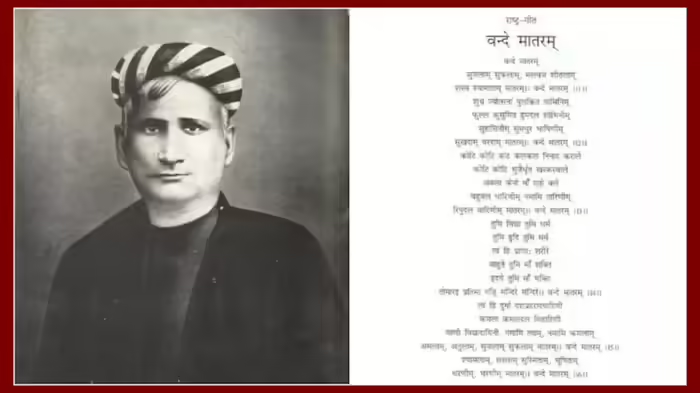
New Delhi: The Indian Parliament is set to mark the 150th anniversary of the iconic song ‘Vande Mataram’ with a special discussion in the ongoing Winter Session. Prime Minister Narendra Modi will inaugurate the debate, highlighting the song’s historical significance, its contribution to India’s freedom struggle, and its continued relevance today.
Origin of Vande Mataram
‘Vande Mataram’ was composed in 1870 by Bankim Chandra Chattopadhyay, one of the foremost Bengali novelists and thinkers of his time. The song was originally written for his novel ‘Anandamath’, though it was created several years prior to the book’s publication in 1882. Upon release, it quickly gained popularity across India, becoming a rallying cry for freedom fighters.
The song venerates India as a mother, celebrating her beauty, nature, and strength. Written in a blend of Sanskrit and Bengali, it is considered a work of high literary merit. During the independence movement, Vande Mataram inspired nationalist fervor and became a symbol of patriotic motivation.
Historical Context and Controversy
While ‘Vande Mataram’ holds the status of India’s national song, the national anthem was designated as ‘Jana Gana Mana’. PM Modi, in recent events, criticized Congress for removing certain lines of the original song during the 1937 party session in Faizabad, claiming it fragmented the national song. Congress, however, argued that the edits were made following Rabindranath Tagore’s advice, to respect the sentiments of diverse communities.
‘Vande Mataram’ remains a powerful emblem of India’s heritage, celebrated for its cultural and patriotic significance, while Jana Gana Mana functions as the official national anthem representing unity and progress on a global stage.
Discover more from SD NEWS agency
Subscribe to get the latest posts sent to your email.