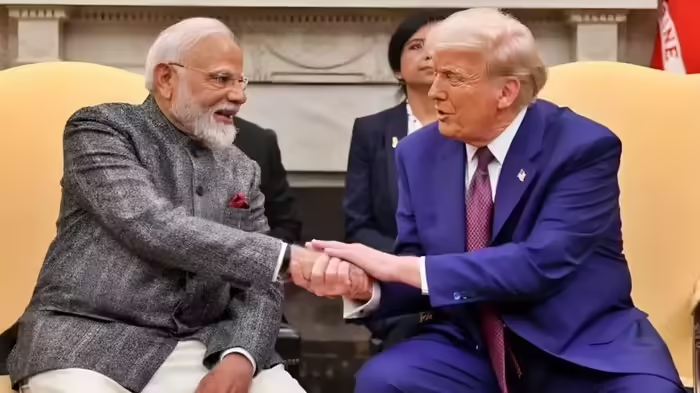
New Delhi: India and the United States have officially ended their long-standing tariff dispute, marking a major milestone in bilateral trade relations. The White House announced on Saturday that both countries have agreed on a framework for an interim trade deal, signaling a new strategic era in economic cooperation.
The deal’s most significant development is President Donald Trump’s signing of an executive order that immediately removes the 25% punitive tariff imposed on India due to Russian oil imports.
Key Points of the Interim Trade Agreement
- Tariff Reductions by India: India has agreed to remove or significantly reduce tariffs on a wide range of U.S. industrial goods, food, and agricultural products. Items covered include dried distillers grains (DDGs), red sorghum for animal feed, tree nuts, fresh and processed fruits, soybean oil, as well as alcoholic beverages and spirits.
- Reciprocal Tariffs by the U.S.: In return, the U.S. will implement an 18% reciprocal tariff on select Indian goods, including textiles and apparel, leather and footwear, plastics and rubber, organic chemicals, home decor, handicrafts, and certain machinery categories.
- Further Tariff Relief: Upon successful completion of the interim agreement, Washington will remove tariffs on a broader range of Indian exports, including generic medicines, gemstones and diamonds, and aircraft components. The U.S. will also lift additional tariffs on Indian aluminum, steel, and copper imports previously imposed for national security reasons, while India will offer preferential tariff quotas for automotive components exported to the U.S.
- Focus on Non-Tariff Barriers: The agreement prioritizes removing long-standing non-tariff barriers. India will address issues affecting U.S. medical devices and streamline restrictive import licensing procedures for ICT products, reviewing compliance with international standards within six months. Both countries aim to facilitate regulatory cooperation and align standards to ease trade.
- Market Access and Flexibility: The framework allows either country to adjust its commitments if agreed tariff levels change in the future. Both sides reaffirmed their commitment to expanding market access through ongoing negotiations under the broader Bilateral Trade Agreement (BTA).
- Strategic Purchases and Technology Cooperation: Over the next five years, India intends to purchase $500 billion worth of goods from the U.S., including energy products, aircraft and aircraft components, precious metals, technology products, and coking coal. Both nations also plan to expand trade in critical technologies, including GPUs and other equipment for data centers, while promoting collaboration in digital trade to address discriminatory or burdensome practices.
The interim deal underscores a shared commitment to economic security, innovation, and deepening strategic ties between India and the United States.
Discover more from SD NEWS agency
Subscribe to get the latest posts sent to your email.