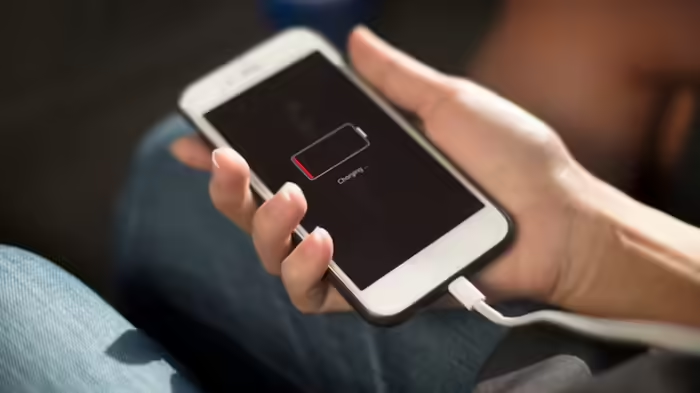
Many users experience slow charging or overheating even after buying a new mobile charger. The culprit is often a fake charger, which can damage your phone’s battery or, in rare cases, even cause fire hazards. With counterfeit chargers widely available in the market—especially for Oppo, Realme, and OnePlus SuperVOOC fast chargers—it’s crucial to know how to identify genuine chargers. Here’s how you can do it in three simple ways:
1. Check QR Code and Serial Number
Genuine chargers carry a QR code and a serial number on the back or bottom. Open Google Lens on your phone and scan the QR code. You’ll get a long number, typically 27 digits, and the last 16 digits should match the serial number printed on the charger. If they don’t match, the charger is fake.
2. Examine Build and Finishing
Authentic chargers have smooth, precise edges and clean plastic finishing. Run your fingers along the edges; any rough plastic, uneven cuts, or loose parts indicate a counterfeit. Genuine cables are sturdy, with clean rubber or plastic coating. Check the printing too—brand name, logo, and specifications should be clear. Fakes may have blurry text or spelling mistakes.
3. Test While Charging
Plug in the charger and look for fast charge animations or battery icons specific to your phone. Any looseness, rattling sounds, or incompatible charging animation may indicate a fake charger. Authentic chargers charge quickly and silently.
Additional Safety Tips
Always buy chargers from authorized brand stores or trusted retailers. Avoid cheap, unverified alternatives—they can harm your phone battery and pose safety risks. When in doubt, take the charger to a service center for verification. Using genuine chargers ensures long-lasting battery health and safe charging.
Discover more from SD NEWS agency
Subscribe to get the latest posts sent to your email.