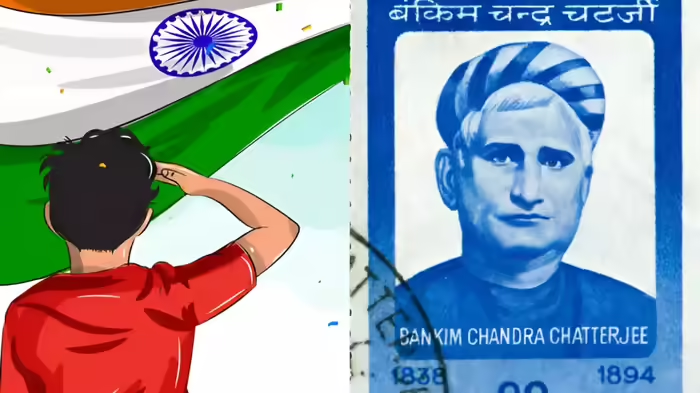
The iconic song ‘Vande Mataram’, often called the soul of India’s freedom struggle, is more than just a melody. Composed in a unique mix of Sanskrit and Bengali by Banik Chandra Chattopadhyay, it continues to inspire patriotism across generations. Today, Parliament is observing the 150th anniversary of this historic song, dedicating ten precious hours in the winter session for discussion on its legacy and significance.
Here are five essential facts every Indian should know about ‘Vande Mataram’:
1. Who Composed the Song?
‘Vande Mataram’ was composed by Banik Chandra Chattopadhyay. The song’s language is a sophisticated blend of Sanskrit and Bengali, reflecting India’s rich literary heritage.
2. First Public Performance
The song was first sung publicly in 1896 by Rabindranath Tagore at the Calcutta session of the Indian National Congress, making it an instant symbol of unity and patriotism.
3. First Publication
‘Vande Mataram’ was originally part of Banik Chandra Chattopadhyay’s novel ‘Anandamath’, which was published in 1882, though the composition itself predates the novel.
4. National Song Status
On 24 January 1950, ‘Vande Mataram’ was officially adopted as India’s National Song, symbolizing the spirit of the nation alongside ‘Jana Gana Mana’, which is the national anthem.
5. Significance in Freedom Struggle
During the struggle for independence, the song became a rallying cry, fostering unity and nationalism against British rule. It inspired countless freedom fighters and continues to evoke pride in every Indian heart.
Controversies and Sensitivities
Over the years, debates have emerged around ‘Vande Mataram’. Certain sections of the Muslim community have historically refrained from singing the entire song, preferring not to chant its full verses, citing religious sensitivities. Nevertheless, its legacy as a symbol of India’s freedom and unity remains undisputed.
As the nation marks 150 years of this legendary song, the government and various states have organized programs to honor its enduring contribution to India’s history and culture.
Discover more from SD NEWS agency
Subscribe to get the latest posts sent to your email.