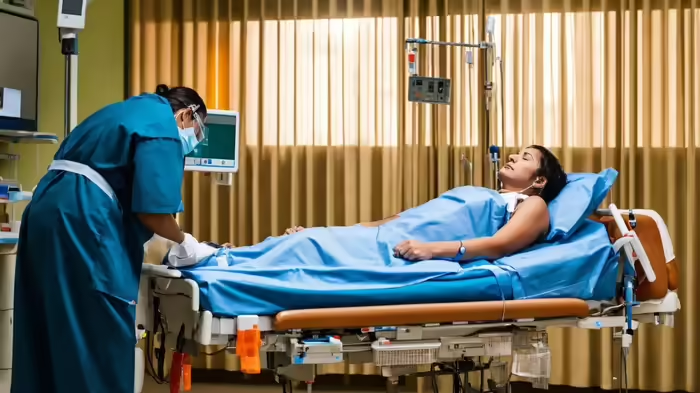
A new study by the Indian Council of Medical Research (ICMR) has highlighted a serious health concern in India: delayed hospital admission for stroke patients. According to the study, approximately 38% of stroke patients reach a hospital more than 24 hours after the onset of symptoms, significantly affecting treatment outcomes and survival rates.
Key Findings from the ICMR Study
- High Mortality and Disability: The study found that 28% of patients die within three months of a stroke, while around 30% suffer severe disability.
- Study Scope: Data was collected from 34,792 stroke patients across 30 major hospitals in India. The research was published on January 7, 2026, in the International Journal of Stroke. Lead author Dr. Prashant Mathur is from ICMR’s National Centre for Disease Informatics and Research, Bengaluru.
- Younger Patients Affected: Stroke is no longer just a disease of the elderly; 1 in 7 patients is under 45 years of age.
- Major Risk Factors: High blood pressure was found in approximately 75% of patients, along with tobacco use and diabetes contributing significantly to stroke risk.
- Golden Window: The first 4.5 hours after symptom onset are critical for effective treatment.
What to Do in Case of a Stroke
- Do not waste a minute—take the patient to the nearest major hospital immediately.
- Call an ambulance; do not attempt to administer medication yourself.
- Avoid giving food or drink to the patient.
- Accurately inform the doctor of symptom onset time.
- Provide details about blood pressure, sugar levels, and heart conditions.
Recognizing Stroke Symptoms: FAST Formula
Doctors recommend using the FAST method to identify stroke symptoms:
- F – Face: Facial drooping or uneven smile.
- A – Arm: Sudden weakness or numbness in arms or legs; difficulty raising them.
- S – Speech: Slurred speech, inability to speak clearly, or difficulty understanding.
- T – Time: Immediate hospital visit is crucial when these symptoms appear.
Early recognition and timely treatment within the golden period can save both lives and brain function.
Discover more from SD NEWS agency
Subscribe to get the latest posts sent to your email.