
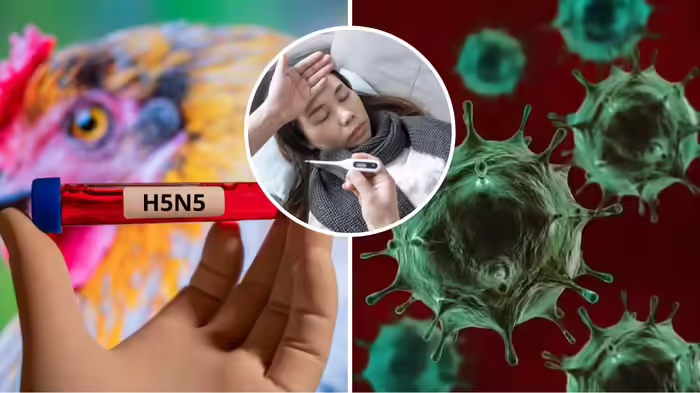
Washington, USA: Scientists are raising concerns as the first human death due to the H5N5 bird flu virus has been reported. The virus can cause symptoms ranging from mild to severe. While some infected individuals may show no signs, others may experience common flu-like symptoms such as cough and fever.
The deceased, an elderly individual from Washington State, had pre-existing health conditions and kept birds at home, increasing the risk of infection. Hospitalized since early November, tests confirmed that the cause of death was the H5N5 virus.
According to BMJ reports, the US recorded 70 cases of H5N1 infections and only 1 death since 2024. Both H5N1 and H5N5 share the ‘H5’ protein but differ in the ‘N’ protein, classifying them as distinct virus strains.
What Scientists Say
Experts caution against panic. Virus specialist Richard Webby notes that there is currently no evidence that H5N5 is more dangerous or capable of causing a pandemic like H5N1. Most human infections continue to be linked to H5N1, which remains widespread among birds.
Is a New Threat Emerging?
There are concerns that influenza viruses can combine to create new variants. However, genetic analysis shows that the H5N5 virus found in humans matches strains previously identified in eastern Canada among seabirds and gulls, indicating it spread westward via birds, not as a new human-adapted virus.
Human-to-Human Transmission
Health authorities are monitoring individuals who had contact with the deceased, but no further human cases have been reported, and human-to-human transmission has not occurred. Backyard poultry owners remain at higher risk, as evidenced by a similar death in Louisiana earlier this year.
Symptoms of H5N5 Bird Flu
Symptoms can vary from mild to severe. Common signs include:
- Fever
- Cough
- Sore throat
- Difficulty breathing
- Fatigue
- Muscle pain
- Vomiting or diarrhea (in some cases)
- Red or infected eyes
Severe cases may lead to pneumonia, shortness of breath, or even death.
Precautionary Measures
Experts recommend:
- Keeping domestic birds away from wild birds
- Wearing separate clothes and shoes when handling birds
- Using masks and goggles when cleaning coops
- Washing hands thoroughly after touching birds, eggs, or poultry coops
- Avoiding dead animals and wild animals showing unusual behavior
- Seasonal flu vaccination for everyone over six months old
While the flu vaccine does not protect against bird flu, it reduces the risk of simultaneous seasonal and bird flu infections, which could make viruses more dangerous if combined.
Disclaimer: This article is for general information only and is not a substitute for professional medical advice or treatment. Always consult a doctor for guidance.
Discover more from SD NEWS agency
Subscribe to get the latest posts sent to your email.