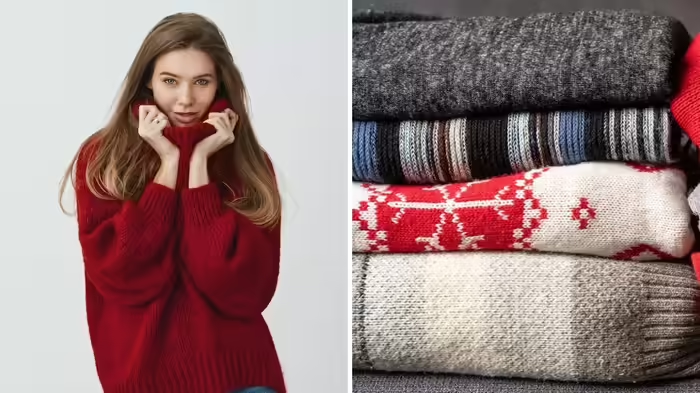
During winter, staying warm becomes a top priority, and most people rely on thick sweaters to beat the chill. However, even after putting on a sweater, many still feel cold. The reason isn’t always the weather—it’s often about the type of sweater you wear and how you wear it. Simply wearing a thick garment isn’t enough; a few key considerations can make all the difference in keeping your body warm.
Why a Sweater Alone Might Not Be Enough
In mild cold, almost any sweater works. But in extreme winter or windy conditions, only certain types of sweaters provide adequate warmth. Choosing the right fabric, fit, and layering method is crucial to prevent the cold from getting the better of you.
Sweaters That Don’t Keep You Warm
Not all sweaters are equally effective. Cotton sweaters, for instance, do not provide sufficient insulation. Thin sweaters or those with large holes allow cold air to pass through easily. Similarly, oversized or loose sweaters may fail to trap heat close to the body.
Worn-Out Sweaters Can Fail Too
Old sweaters may lose their effectiveness over time. Frequent washing can loosen and thin out the wool fibers, reducing their ability to retain heat. A worn-out sweater, no matter how thick it looks, may let cold air penetrate, leaving you shivering.
Opt for Wool for Maximum Warmth
Woolen sweaters are the most effective in keeping the cold at bay. Natural wool fibers trap air, providing insulation and maintaining body heat for longer periods. You can buy ready-made wool sweaters or even make them at home, as traditionally done with hand-knitted wool.
Cashmere Sweaters: Lightweight but Effective
Cashmere is a premium option for winter wear. Despite being lightweight, it is strong, long-lasting, and offers excellent warmth. It also feels soft on sensitive skin, making it a comfortable and luxurious choice for extended use.
Pay Attention to Neckline
The design of your sweater matters as much as the material. Deep-neck sweaters leave your chest exposed to cold winds, while high-neck or round-neck sweaters offer better coverage. If you prefer deep-neck styles, consider pairing them with a scarf or muffler for additional protection.
Layering Correctly
How you layer your clothing depends on the temperature. For extreme cold, a body warmer under your sweater and a jacket on top can provide effective insulation. In milder conditions, a single sweater may suffice. Proper layering ensures that your body retains heat efficiently.
By keeping these tips in mind—choosing the right material, fit, and layering—you can stay warm even in the harshest winter winds, while maintaining a stylish and comfortable look.
Discover more from SD NEWS agency
Subscribe to get the latest posts sent to your email.