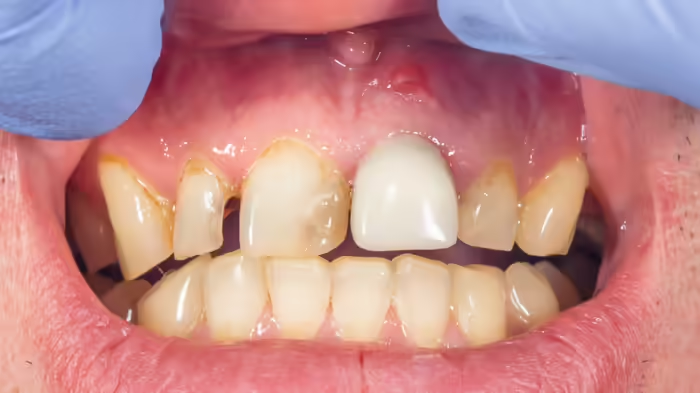
Enamel is the hardest substance in the human body, yet small daily habits can gradually weaken it, leading to yellowing of the teeth. Even with regular brushing, many people notice their teeth turning yellow over time. We spoke to dental experts to understand the reasons behind this and how to prevent it.
Everyday Habits That Harm Enamel
Whether it’s drinking lemon water on an empty stomach, consuming berry smoothies for breakfast, or enjoying a cup of masala tea in the evening, these seemingly harmless habits can slowly damage the enamel—a protective layer that cannot regenerate once worn away.
Dr. Ashish Kakkar, Senior Consultant at Indraprastha Apollo Hospital, New Delhi, explains that enamel is even stronger than bone. However, it contains no living cells, which means any damage is permanent. Therefore, protecting it becomes essential.
The Role of Enamel
Enamel is a mineral-rich layer that shields the inner dentin of teeth from bacteria and acid. It withstands daily wear from chewing, grinding, and temperature changes. However, neglecting oral care can erode enamel over time, making teeth sensitive, dull, yellow, and more prone to cavities.
Foods and Drinks That Cause Damage
Acidic foods and drinks—such as citrus fruits, juices, fizzy drinks, coffee, pickles, tomatoes, vinegar, and berries—can erode enamel. The lower the pH, the higher the risk. For example, lemon has a pH of around 2, while oranges range from 3 to 4. Brushing too hard can also weaken enamel. As enamel thins, the yellow dentin beneath becomes visible.
Modern Health Trends Can Be Harmful
Current “healthy” trends can inadvertently harm enamel. Smoothies, juices, kombucha, vinegar-based salads, and citrus detox drinks can erode enamel if consumed excessively. While green tea and citrus juices offer health benefits, they may also damage enamel if precautions are not taken.
Early Signs of Enamel Erosion
- Dull teeth with reduced shine
- Yellowing of teeth
- Rounded or transparent edges
- Frequent chipping
- Sensitivity to hot and cold foods
- Cavities
Diet to Protect Enamel
To counteract acid, pair acidic foods with low-acid options like milk, cheese, or cucumber. Dairy products help balance mouth pH and provide calcium. Use a straw for acidic drinks like soda, lemon water, and iced tea, and drink plenty of water.
Small Yet Effective Habits
- Schedule regular dental check-ups
- Avoid frequent snacking
- Rinse your mouth after meals, and wait at least 30 minutes before brushing
- Include calcium-rich foods like yogurt, paneer, and leafy greens
Proper Brushing Technique
- Do not brush immediately after acidic meals; wait at least 30 minutes
- Use a soft-bristled toothbrush
- Brush gently in circular motions
- Choose fluoride or enamel-strengthening toothpaste
- Brush twice daily, morning and night
- Replace your toothbrush every three months
Disclaimer: This article is for general informational purposes only. Navbharat Times does not take responsibility for the accuracy, reliability, or effects of the content. It should not be considered a substitute for professional medical advice. For personalized guidance, always consult a qualified dentist.
Discover more from SD NEWS agency
Subscribe to get the latest posts sent to your email.