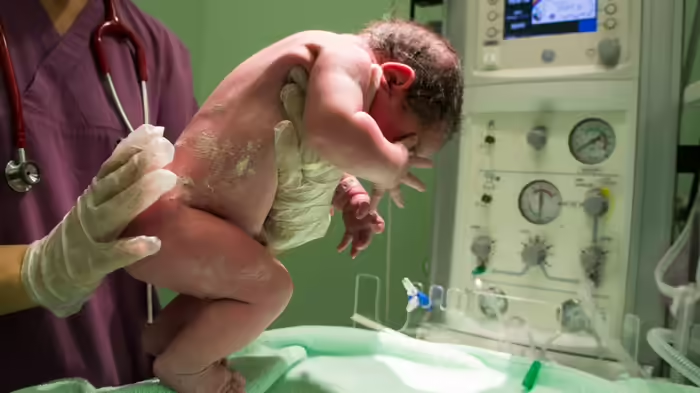
Premature delivery, or childbirth before 37 weeks of pregnancy, is becoming increasingly common. While sometimes unavoidable due to medical reasons, it poses serious health risks for newborns. Dr. Swati Sinha, Senior Consultant in Obstetrics and Gynecology at Rainbow Children Hospital, Delhi, explains why premature birth is dangerous and how expecting mothers can reduce the risk.
What Is Premature Delivery?
Dr. Sinha explains that a baby born before completing 37 weeks of gestation is considered premature. Several factors increase the risk, including maternal conditions such as high blood pressure, diabetes, thyroid, or kidney issues. Infections in the urinary tract or reproductive system, as well as anemia, can also trigger early labor. Doctors may recommend early delivery to protect the health of both mother and child.
Other Contributing Factors
High stress, prolonged inactivity, poor sleep, or an inadequate diet can affect hormones and uterine health, increasing the risk of preterm delivery. Additionally, late pregnancies, multiple pregnancies (twins or triplets), and other pregnancy complications also contribute to a higher likelihood of premature birth.
Why Premature Birth Is Dangerous for Newborns
Premature infants often face multiple health challenges. They may have difficulty breathing, low birth weight, trouble feeding, and delayed growth. Early birth can also make them more susceptible to infections and long-term developmental issues.
5 Ways to Reduce the Risk of Premature Delivery
- Regular Doctor Checkups – Frequent prenatal visits help monitor blood pressure, weight, and the baby’s growth. Routine checkups can also detect warning signs early, even if the mother feels fine.
- Balanced Diet – Consume foods rich in iron, calcium, protein, folic acid, and omega-3 fatty acids. Staying hydrated and avoiding junk or processed foods is equally important.
- Manage Stress – Reducing stress is crucial, as tension can trigger early labor. Practice relaxation techniques and prioritize mental well-being.
- Light Physical Activity – Gentle walks improve blood circulation and help reduce swelling. Any exercise should be approved by a doctor.
- Monitor Health Conditions – Pregnant women with chronic illnesses should carefully manage their conditions under medical supervision to minimize complications.
Dr. Sinha emphasizes that early care, a healthy lifestyle, and medical supervision can significantly reduce the risk of premature delivery, ensuring better outcomes for both mother and baby.
Discover more from SD NEWS agency
Subscribe to get the latest posts sent to your email.